
วัสดุก่อสร้าง
Enhancing Performance: The Power of Surface Engineering

Jul
Surface engineering is essentially about making the outside of something better than its inside. Think of it like a superhero suit for materials – it doesn’t change the core identity, but it drastically improves its abilities, whether that’s resisting wear, corrosion, or even conducting electricity. This isn’t some futuristic concept; it’s happening all around us, making our cars last longer, our medical implants safer, and our electronics more efficient.
Why Surfaces Matter More Than You Think
Materials are great and all, but often their bulk properties aren’t quite enough for demanding applications. The surface is where all the action happens – where contact, friction, and environmental interactions occur. If you can control that tiny outermost layer, you can unlock entirely new levels of performance from a material without having to invent a whole new one. It’s often a more cost-effective and practical solution than developing entirely new bulk materials.
At its heart, surface engineering is a broad field focused on modifying the surface properties of materials to achieve specific performance enhancements. It’s not just about slapping on a coating; it’s about a deep understanding of material science, physics, and chemistry to create a tailored interface.
Beyond a Simple Paint Job
We’re talking about altering the chemical composition, microstructure, and even the physical topography of a material’s outermost layer. This can involve adding new layers (coatings), changing the existing surface (surface treatments), or even combining these approaches. The goal is always to improve functionality without compromising the underlying material’s integrity.
It’s a Material Science Multi-Tool
Think of it as having a Swiss Army knife approach to material improvement. Depending on the challenge – whether it’s wear, corrosion, heat, or even biocompatibility – surface engineering offers a specific “tool” or technique to address it. This versatility is a huge part of its power.
Surface engineering plays a crucial role in enhancing the performance and longevity of materials by modifying their surface properties. For those interested in exploring this topic further, a related article discusses the latest advancements in surface treatment technologies and their applications in various industries. You can read more about it here: here.
Common Goals of Surface Engineering
So, why bother with all this fuss? The reasons are numerous and often interconnected. By enhancing surface properties, we can tackle some of the biggest challenges in engineering and manufacturing.
Extending Lifespan and Durability
This is perhaps the most widely recognized benefit. Many components fail not because the whole part wears out, but because the surface degrades.
Combating Wear and Friction
- Abrasive Wear: When hard particles rub or slide against a surface, causing material removal. Surface engineering can introduce harder surface layers.
- Adhesive Wear: Occurs when two surfaces slide against each other, leading to material transfer. Low-friction coatings can reduce this.
- Fretting Fatigue: Small oscillatory movements between two surfaces can lead to surface damage and crack initiation. Surface treatments can enhance resistance.
Consider a simple gear. The bulk of the gear needs to be strong enough to handle torque, but its teeth need to be exceptionally hard and wear-resistant to withstand constant meshing. Surface hardening techniques are perfect here.
Resisting Corrosion
Corrosion is a massive problem, costing industries billions annually. Surface engineering provides a crucial barrier.
- Oxidation Resistance: At high temperatures, metals react with oxygen. Coatings can form stable oxide layers themselves, protecting the underlying material.
- Chemical Attack: Exposure to acids, bases, or salts can degrade materials. Protective, inert layers can prevent direct contact.
Think of stainless steel – its corrosion resistance comes from a passive chromium oxide layer on its surface. Surface engineering can replicate and enhance such natural passivation or add entirely new protective layers to less resistant materials.
Enhancing Functionality and Performance
It’s not just about preventing failure; it’s about making things work better.
Improving Hardness and Strength
While the bulk material provides structural integrity, a hard surface can stand up to impacts and abrasion far better. This is critical for tools, dies, and components subjected to high localized stresses.
Modifying Electrical Properties
- Conductivity: Adding highly conductive layers to insulators or improving the conductivity of existing conductors. This is vital in electronics.
- Insulation: Creating dielectric layers to prevent current flow, crucial for electrical components and preventing short circuits.
- Semiconductivity: Tailoring surfaces for specific electronic applications, like in microchips and sensors.
For example, thin-film deposition techniques are essential for creating the intricate circuitry in microprocessors.
Optimizing Thermal Management
- Thermal Barrier Coatings (TBCs): These are critical in gas turbines, allowing engines to operate at higher temperatures for improved efficiency by insulating hot sections from the cooler base metal.
- Heat Dissipation: Creating surfaces with higher emissivity or conductivity to efficiently radiate or transfer heat away from critical components.
Enabling Biocompatibility
In the medical field, surface engineering is a lifesaver.
- Reducing Immune Response: Implanted devices need to avoid being rejected by the body. Specially engineered surfaces can be inert or even promote integration.
- Preventing Infection: Antimicrobial surfaces can be created on medical tools or implants to reduce the risk of bacterial colonization.
- Promoting Tissue Growth: Surfaces can be designed to encourage bone growth onto an implant, for example, making it integrate more securely.
A hip replacement prosthesis, for instance, often has a surface treatment that makes it more compatible with bone tissue, leading to better long-term outcomes for the patient.
Key Techniques in Surface Engineering
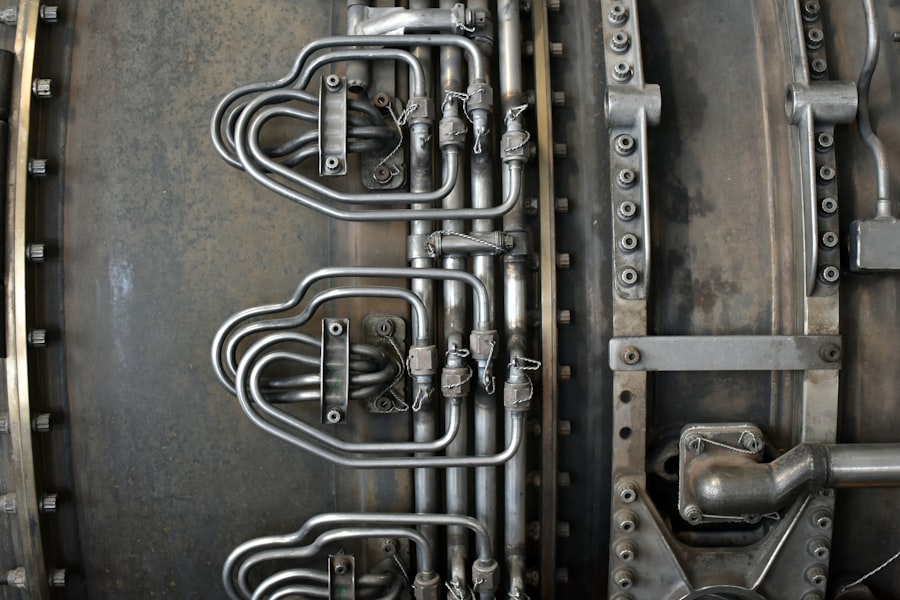
This is where the rubber meets the road. There’s a vast array of techniques, each with its own advantages and ideal applications. They generally fall into categories of adding material, removing material and changing the surface microstructure.
Deposition Techniques: Adding Layers
These methods involve placing a new material onto the substrate to form a coating.
Physical Vapor Deposition (PVD)
PVD involves evaporating or sputtering a material in a vacuum and then depositing it as a thin film onto the substrate.
- Sputtering: Atoms are ejected from a target material by bombarding it with energetic ions.
- Evaporation: The material is heated until it vaporizes and then condenses on the substrate.
- Applications: Wear-resistant coatings (e.g., TiN on cutting tools), decorative coatings, optical coatings, microelectronics.
- Advantages: Excellent adhesion, dense and uniform coatings, wide range of materials.
- Considerations: Line-of-sight deposition can be an issue for complex geometries, typically done in a vacuum.
Chemical Vapor Deposition (CVD)
CVD involves chemical reactions between gas-phase precursors on the heated surface of the substrate, forming a solid thin film.
- Process: Reactant gases flow into a chamber, decompose or react on the hot substrate, and deposit a solid film.
- Applications: Hard coatings (e.g., Al2O3, SiC), semiconductor fabrication, corrosion-resistant coatings.
- Advantages: Good conformality (can coat complex shapes), high purity coatings, excellent adhesion.
- Considerations: High process temperatures can affect the substrate, hazardous precursor gases may be involved.
Thermal Spraying
This family of techniques involves heating a material (powder or wire) to a molten or semi-molten state and propelling it onto a substrate at high velocity.
- Arc-Spray: An electric arc melts two consumable wires.
- Flame Spray: Material is melted in a combustion flame.
- High Velocity Oxy-Fuel (HVOF): Fuel and oxygen combustion creates a high-velocity jet.
- Plasma Spray: An electric arc generates a plasma that melts and accelerates powders.
- Applications: Corrosion protection, wear resistance (e.g., ceramics, metals, carbides), thermal barrier coatings, dimensional restoration.
- Advantages: Can apply thick coatings, wide range of materials, relatively fast.
- Considerations: Porosity can be an issue, bond strength can vary, rough surface finish often requires post-treatment.
Electroplating and Electroless Plating
These involve depositing a metal coating onto a conductive (electroplating) or non-conductive (electroless) substrate from an aqueous solution.
- Electroplating: An external electrical current drives the deposition.
- Electroless Plating (Autocatalytic): Deposition occurs via an autocatalytic chemical reaction without an external current.
- Applications: Corrosion protection (e.g., chrome, nickel), electrical conductivity, decorative finishes, wear resistance.
- Advantages: Good adhesion, uniform thickness even on complex shapes (especially electroless), good control over coating properties.
- Considerations: Environmental concerns with plating baths, limited to certain metals.
Surface Treatment Techniques: Modifying the Existing Surface
Instead of adding a new layer, these techniques alter the surface of the base material itself.
Heat Treatment
This involves heating and cooling a material to change its microstructure and properties.
- Carburizing/Nitriding: Introducing carbon or nitrogen into the surface of steel to increase its hardness and wear resistance.
- Induction/Flame Hardening: Rapidly heating and quenching the surface to create a hard case while maintaining a tougher core.
- Applications: Increased hardness, wear resistance, fatigue strength.
- Advantages: Strong metallurgical bond (no interface to delaminate), cost-effective for large batches.
- Considerations: Can lead to distortion, limited to ferrous alloys, property changes are limited to the specific elements introduced.
Shot Peening and Laser Peening
These are cold work processes that introduce compressive residual stresses into the surface of a material.
- Shot Peening: Small, hard spheres (shot) are propelled at the surface.
- Laser Peening: High-energy laser pulses create shockwaves that induce plastic deformation.
- Applications: Fatigue life improvement (critical for aircraft components, springs), stress corrosion cracking resistance.
- Advantages: Significant improvement in fatigue resistance, does not add material or change chemical composition.
- Considerations: Can alter surface finish, depth of compressive layer is limited.
Anodizing and Phosphating
These are electrochemical or chemical conversion treatments that create a modified layer of the base material.
- Anodizing: An electrochemical process that thickens the natural oxide layer on metals like aluminum. This creates a hard, porous, corrosion-resistant, and often colored layer.
- Phosphating: A chemical process that converts a metal surface (usually steel) into a protective phosphate layer. Provides corrosion resistance and a good base for paints.
- Applications: Corrosion resistance, wear resistance, decorative finishes (anodizing), paint adhesion (phosphating).
- Advantages: Good adhesion, relatively inexpensive, can incorporate color.
- Considerations: Limited to specific metals, can change dimensions slightly.
Real-World Applications: Where Surface Engineering Shines

It’s not just theory; surface engineering is quietly making our world better and more efficient in countless ways.
Automotive Industry
From engine components to body panels, surface engineering plays a crucial role.
Engine Components
- Piston Rings: Coated with hard, low-friction materials (e.g., chromium nitride, diamond-like carbon) to reduce wear, improve fuel efficiency, and extend engine life.
- Valves: Often surface-hardened to resist wear and corrosion at high temperatures.
- Crankshafts/Camshafts: Nitrided or induction hardened for improved wear resistance and fatigue strength.
Body and Chassis
- Corrosion Protection: Zinc-nickel or zinc-iron electroplated layers on steel body panels provide sacrificial corrosion protection, significantly extending vehicle lifespan.
- Brake Discs: Some high-performance brake discs receive surface treatments or coatings to improve wear resistance and reduce brake dust.
Aerospace Industry
Safety and performance are paramount, making surface engineering indispensable.
Turbine Blades
- Thermal Barrier Coatings (TBCs): Ceramic coatings (often Yttria-Stabilized Zirconia) applied via plasma spray or EBPVD protect superalloy turbine blades from extreme temperatures, allowing engines to run hotter and more efficiently.
- Corrosion-Resistant Coatings: In environments with salt spray or other corrosive agents, coatings protect critical components.
Airframe Components
- Fatigue Life Enhancement: Shot peening or laser peening is routinely used on structural components to introduce beneficial compressive stresses, preventing crack initiation and propagation.
- Wear Protection: Bearings, landing gear components, and fasteners often receive wear-resistant coatings.
Biomedical Devices
Biocompatibility and long-term reliability are critical for human health.
Implants
- Orthopedic Implants (Hip, Knee): Titanium and cobalt-chrome alloys are often coated with Hydroxyapatite to promote bone ingrowth and integration. Diamond-like carbon (DLC) coatings can improve wear resistance of articulating surfaces.
- Dental Implants: Surface treatments on titanium implants can enhance osseointegration.
Surgical Tools
- Sterilization Resistance: Coatings that can withstand repeated autoclave cycles without degrading.
- Reduced Friction: Low-friction coatings on cutting tools for smoother operation and reduced tissue damage.
- Biocompatible Surfaces: Coatings that prevent allergic reactions or adverse tissue responses.
Tooling and Manufacturing
This is where the direct economic benefits are often most visible.
Cutting Tools
- Hard Coatings: TiN, TiAlN, AlTiN, and other ceramic or compound coatings applied via PVD or CVD drastically increase the lifespan of drills, milling inserts, and punches. This allows for higher cutting speeds, better surface finishes, and reduced tool changes.
- Friction Reduction: Coatings that reduce chip adhesion and friction, improving chip evacuation and preventing built-up edge.
Molds and Dies
- Wear Resistance: Coatings on injection molds and casting dies prevent material adhesion and wear from abrasive plastics or molten metals, extending the life of expensive tooling.
- Release Properties: Specialized coatings can improve the release of parts from molds, reducing cycle times and preventing damage.
Electronics and Semiconductors
Miniaturization and performance rely heavily on precise surface control.
Microprocessors and Integrated Circuits
- Dielectric Layers: CVD techniques are used to deposit insulating layers (e.g., silicon dioxide, silicon nitride) between conductive pathways.
- Conductive Traces: PVD is used to deposit thin films of metals like copper or aluminum for electrical interconnections.
- Diffusion Barriers: Layers that prevent intermixing of different materials at interfaces.
Sensors and Actuators
- Surface Functionalization: Modifying surfaces to be sensitive to specific chemicals, light, or physical changes.
- Wear-Resistant Micro-Components: Applying coatings to tiny moving parts in MEMS devices.
Surface engineering plays a crucial role in enhancing the performance and longevity of materials used in various applications. For those interested in exploring this topic further, a related article discusses the impact of surface treatments on material properties and performance. You can read more about it in this insightful piece on surface engineering. This exploration reveals how advancements in surface modification techniques can lead to significant improvements in durability and resistance to wear.
The Future of Surface Engineering
| Surface Engineering Metrics | Value |
|---|---|
| Surface Roughness | 0.2 micrometers |
| Coating Thickness | 50 micrometers |
| Hardness | 1200 HV |
| Wear Resistance | 500,000 cycles |
This field isn’t static; it’s constantly evolving to meet new challenges and leverage advanced manufacturing techniques.
Smart Surfaces and Responsive Coatings
Imagine surfaces that change properties based on environmental cues.
Self-Healing Coatings
- Concept: Coatings with embedded micro-capsules containing healing agents that rupture upon damage, filling cracks and restoring protection without human intervention.
- Applications: Coatings for structural components, pipelines, or even self-repairing consumer goods.
Adaptive Functionality
- Concept: Surfaces that can dynamically change their friction, hydrophobicity (water repellency), or optical properties in response to temperature, light, or electrical fields.
- Applications: Glazing that adjusts light transmission, anti-frosting surfaces, anti-fouling marine coatings.
Nanostructured and Gradient Coatings
Leveraging the power of materials at the nanoscale promises even greater control.
Nanocoatings
- Concept: Coatings composed of particles or structures in the nanometer range, leading to unique properties like superhydrophobicity, enhanced hardness, or catalytic activity.
- Applications: Self-cleaning windows, advanced catalysts, high-performance optical coatings.
Functionally Graded Materials (FGMs)
- Concept: Materials where the composition or microstructure gradually changes from one surface to another, eliminating sharp interfaces and improving adhesion and thermal stress resistance.
- Applications: Improved thermal barrier coatings, wear-resistant coatings (transitioning from a hard ceramic to a tough metal).
Hybrid Techniques and Advanced Manufacturing
Combining various methods often yields superior results.
- Combined Processes: Using a heat treatment to prepare a surface, followed by a PVD coating for enhanced wear. Or, combining laser processing with deposition.
- Additive Manufacturing Integration: Developing surface engineering strategies for 3D printed parts, addressing porosity, surface finish, and specific performance requirements. This is a huge area for growth as additive manufacturing becomes more widespread.
Surface engineering plays a crucial role in enhancing the performance and longevity of materials used in various applications. For those interested in exploring related topics, you might find this article on
