
วัสดุก่อสร้าง
Protective Corrosion Resistance Coating for Longevity
Jul
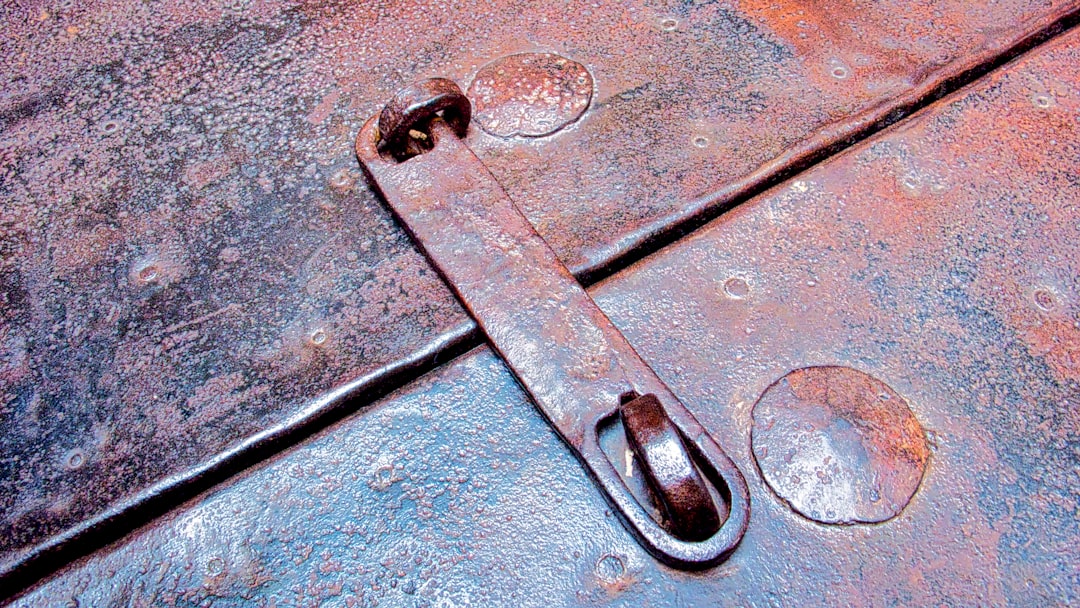
Dealing with corrosion? It’s a frustrating reality for many of us, whether it’s rust on our car, pitting on metal garden furniture, or the slow degradation of essential infrastructure. The good news is that a protective corrosion resistance coating is your best bet for keeping things in good shape and extending their lifespan significantly. Think of it as giving your metal a personal shield against the elements.
What Exactly is a Protective Corrosion Resistance Coating?
At its core, a protective corrosion resistance coating is a layer or several layers of material applied to a metal surface to prevent or slow down the chemical or electrochemical reaction that causes corrosion (you know, that pesky rust). It’s not just about making things look pretty; it’s about creating a barrier that stops the environment from attacking the underlying metal. Different coatings work in different ways, but they all share the common goal of keeping your valuable assets functioning and looking good for much, much longer.
Corrosion resistance coatings are essential for protecting various surfaces from degradation due to environmental factors. For a deeper understanding of the benefits and applications of these coatings, you can refer to a related article that discusses their effectiveness in various industries. This article provides insights into the different types of coatings available and their specific uses in enhancing durability. To learn more, visit the article here: here.
Why Bother with Corrosion Resistance? It’s More Than Just Aesthetics
Let’s face it, nobody likes seeing their belongings fall apart. But the impact of corrosion goes far beyond just looking bad.
The Financial Drain of Unchecked Corrosion
Corrosion isn’t just an eyesore; it’s a silent thief of your money.
Replacing Rather Than Repairing
When metal corrodes severely, it often means complete replacement. Think about a rusty car exhaust, a pitted bicycle frame, or worse, structural components in buildings or bridges. Replacing these items or structures is almost always more expensive than applying a good protective coating in the first place.
Structural Integrity and Safety Concerns
For many applications, corrosion isn’t just about appearance; it’s about safety. Bridges, pipelines, aircraft components, and even everyday items like your car’s chassis rely on the structural integrity of metal. Corrosion weakens these structures, making them prone to failure. This can lead to costly repairs, unexpected downtime, and in severe cases, dangerous accidents.
Reduced Operational Efficiency
For industrial equipment and machinery, corrosion can lead to inefficiencies. Moving parts can become stiff or seize up, requiring more energy to operate. Leaks in pipelines due to corrosion can cause product loss and environmental hazards. All of these translate to higher operating costs and reduced productivity.
Environmental Implications
The impact of corrosion extends beyond our wallets and safety.
Resource Depletion
The metals we use are finite resources. When they corrode and are discarded, we have to mine and process more, which is an energy-intensive and environmentally impactful process. Extending the life of metal objects through coatings means we consume fewer new resources.
Hazardous Waste and Pollution
The manufacturing of replacement parts and the disposal of corroded items can also generate significant waste and pollution. Protective coatings help to reduce this cycle.
How Do These Coatings Actually Work? Different Mechanisms for Different Needs
It’s not a one-size-fits-all world when it comes to corrosion protection. Different coatings employ various strategies to keep your metal safe.
Physical Barriers: Simply Keeping the Bad Stuff Out
This is perhaps the most straightforward approach. The coating acts like a solid wall.
Primers and Paints
The most common examples are paints and primers. These create a physical barrier that prevents moisture, oxygen, and corrosive agents (like salt or chemicals) from reaching the metal surface. The effectiveness depends on the quality of the coating and how well it adheres to the surface.
Powder Coatings
Powder coating involves applying a dry powder electrostatically, which is then cured under heat. This creates a very durable and uniform seamless finish, offering excellent physical protection. It’s often seen on appliances, automotive parts, and metal furniture.
Sacrificial Protection: Giving Up Something Else to Save the Metal
This method is pretty clever. It involves using a metal that’s more reactive than the metal you want to protect.
Galvanizing (Zinc Coating)
This is a classic example. Steel is coated with a layer of zinc, usually through hot-dipping or electroplating. Zinc is more electronegative than iron (steel is mostly iron). This means that in the presence of an electrolyte (like rainwater), the zinc will corrode preferentially, protecting the steel underneath. It’s like the zinc is sacrificing itself for the steel.
Other Sacrificial Anodes
While not strictly paint or a continuous coating, sacrificial anodes are a related concept. Blocks of metals like magnesium or aluminum are attached to structures (like boats or offshore platforms). These anodes corrode instead of the main structure.
Inhibitive Coatings: Actively Stopping the Corrosion Process
These coatings contain special additives that interfere with the electrochemical reactions of corrosion.
Chromate Conversion Coatings
Historically, these were very effective. They create a thin, passive layer on the metal surface that inhibits corrosion. However, due to environmental and health concerns with hexavalent chromium, their use is now more regulated and often replaced with alternatives.
Phosphating
Phosphate coatings are often used as a pretreatment before painting. They create a layer of metal phosphates on the surface, which improves paint adhesion and provides some degree of corrosion resistance.
Barrier and Inhibitive Combinations
Many modern coatings combine these principles. A primer might offer a physical barrier, while subsequent layers or specific pigments within the paint provide inhibitive properties. This layered approach offers robust protection.
Choosing the Right Coating: It Depends on the Situation
Not all corrosion is the same, and neither are the environments your metal will face. Picking the right coating is crucial for effectiveness and longevity.
Understanding Your Environment
This is the most critical factor. Where will the coated item be?
Marine Environments
If your metal is near the sea, expect salt spray and high humidity. This is a highly corrosive environment. Coatings need to be extremely resistant to salt and water ingress. Think multi-layer systems with a strong barrier and potential for sacrificial protection or advanced inhibitive properties.
Industrial Settings
Chemical plants, manufacturing facilities, and areas with industrial pollution present unique challenges. Exposure to acids, alkalis, solvents, and other aggressive chemicals requires specialized chemical-resistant coatings.
Outdoor Exposure (General)
Even general outdoor exposure means dealing with rain, UV radiation, and temperature fluctuations. Coatings need good UV resistance to prevent breakdown and good flexibility to handle temperature changes without cracking.
Interior Use (Less Demanding)
If the item will be used indoors in a controlled environment, the demands on the coating might be less severe, but still require protection against ambient moisture and dust.
The Substrate Material Matters
What metal are you protecting?
Steel and Iron
These are highly susceptible to rust. Many types of coatings are suitable, from simple paints to heavy-duty industrial epoxies and galvanizing.
Aluminum
Aluminum forms its own protective oxide layer but can still corrode, especially in salty or alkaline environments. Anodizing is a common and effective treatment for aluminum, which is an electrochemical process that thickens this natural oxide layer.
Other Metals (Copper, Brass, etc.)
These metals have different corrosion behaviors and may require specific coating formulations.
The Expected Lifespan and Maintenance
How long do you need the protection to last? And how much maintenance are you willing to do?
Long-Term Infrastructure
For bridges, pipelines, or offshore structures, coatings are expected to last for decades. This often involves very robust, multi-layer systems applied by specialized professionals.
Consumer Goods
For things like garden furniture or appliances, a good quality paint or powder coating might suffice for several years with occasional touch-ups.
High-Wear Applications
If the coated surface will be subjected to abrasion or frequent impact, the coating needs to be very hard and tough.
When considering the durability of various materials, the importance of corrosion resistance coatings cannot be overstated. These coatings play a crucial role in extending the lifespan of metal surfaces by protecting them from environmental factors that can lead to rust and degradation. For a deeper understanding of this topic, you may find the article on corrosion resistance coatings particularly enlightening, as it discusses various types and their applications in different industries. To explore this further, you can read the article
