
วัสดุก่อสร้าง
Enhancing Durability with PVD Coating
Jul
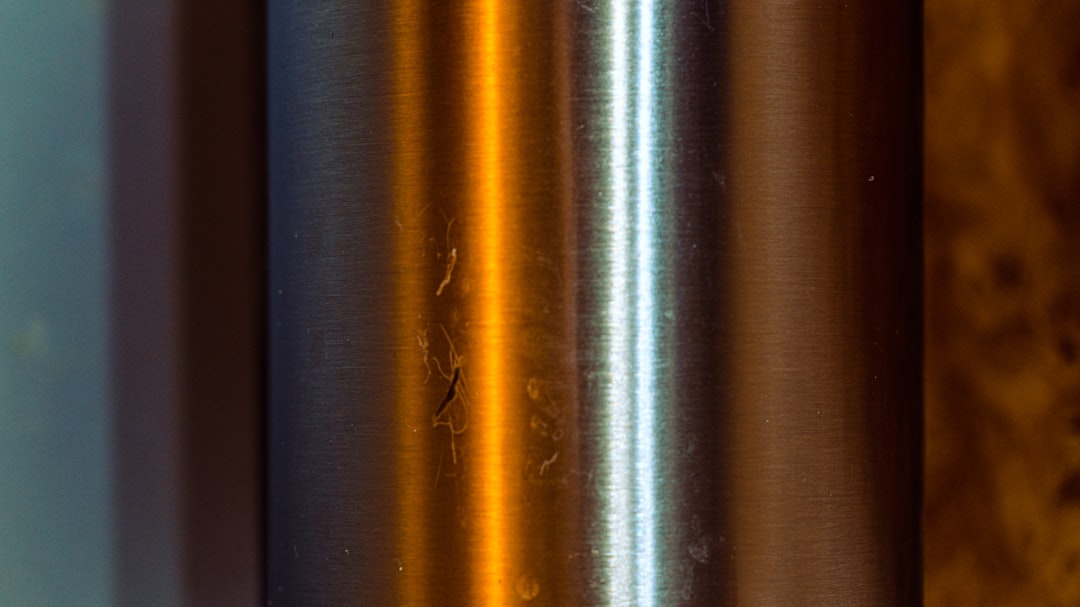
PVD coating is a fantastic way to boost the durability of countless items. Simply put, it’s a process where a thin, hard film is deposited onto a surface, making it tougher, more resistant to wear, and often, more appealing aesthetically. Think of it as giving your products a super-tough, microscopic shield that significantly extends their lifespan and can even improve their performance in harsh environments. This isn’t just about making things last longer; it’s about making them perform better and look great while doing it.
What PVD Actually Is
So, what exactly is PVD? PVD stands for Physical Vapor Deposition. It’s a broad category of vacuum deposition methods used to produce thin films. This isn’t some magical spray-on solution you’d find in a can; it’s a precise, highly controlled manufacturing process. Unlike traditional plating, which often involves solutions and chemical reactions, PVD is a dry process. This means fewer environmental concerns and, frankly, a much cleaner end product.
The Core Concept of PVD
At its heart, PVD involves creating a vaporized form of a solid material and then depositing that vapor onto a substrate. Imagine taking a solid (like titanium or chromium), turning it into a gas, and then letting that gas condense back into a solid on another surface – that’s essentially what’s happening. This happens in a vacuum chamber to prevent contamination and ensure the deposited film is pure and adheres well.
Key Steps in the PVD Process
There are several steps to getting a good PVD coating, and each plays a critical role:
- Preparation: This is crucial. Before anything else, the item to be coated needs to be meticulously cleaned. Any oils, dust, or contaminants will prevent the coating from adhering properly, leading to a weak or flaky finish. Think of it like painting a dirty wall – it just won’t stick.
- Chamber Loading: Once clean, the items (or “substrates”) are placed inside a vacuum chamber.
- Vacuum Creation: The air is then pumped out of the chamber until a strong vacuum is achieved. This prevents unwanted reactions with atmospheric gases during the deposition process and allows the vaporized material to travel unimpeded to the substrate.
- Material Vaporization: This is where things get interesting. The coating material (the “target”) is then vaporized. There are a few ways to do this, which we’ll touch on later.
- Deposition: The vaporized material travels through the vacuum and condenses as a thin, solid film on the surface of the prepared items.
- Cool Down and Unloading: After deposition, the items are allowed to cool down in a controlled manner before being removed from the chamber.
PVD coating, or Physical Vapor Deposition, is a highly effective technique used to enhance the durability and aesthetic appeal of various surfaces. For those interested in exploring more about the applications and benefits of this technology, a related article can be found at here. This article delves into the various types of coatings available, their applications in different industries, and how they contribute to improving product longevity and performance.
Why PVD Coatings Are So Effective
PVD coatings aren’t just a fancy add-on; they offer genuine, tangible improvements in durability and performance. It boils down to a few key properties that make them stand out.
Superior Hardness and Wear Resistance
This is arguably the biggest benefit. PVD coatings are exceptionally hard – significantly harder than the underlying material in many cases. This translates directly into improved wear resistance. They can withstand friction, abrasion, and repeated use without significant degradation.
- Surface Hardening: The coating creates a tough outer layer that acts as a barrier against scratches, scuffs, and general wear and tear. Imagine a soft metal component; with a PVD coating, its surface can become several times harder, shrugging off damage that would otherwise lead to failure.
- Reduced Friction: Many PVD coatings also have a low coefficient of friction. This is great for moving parts, as it reduces heat generation and wear between contacting surfaces, making components run smoother and last longer.
Enhanced Corrosion and Oxidation Resistance
PVD coatings create a barrier that protects the underlying material from environmental degradation. Rust, tarnish, and chemical attack are significantly reduced.
- Protective Barrier: The dense, non-porous nature of PVD coatings forms an effective shield against corrosive elements. Whether it’s salty air, harsh chemicals, or just plain old moisture, the coating prevents these agents from reaching and damaging the substrate.
- Chemical Inertness: Many PVD materials are chemically inert, meaning they don’t react easily with other substances. This makes them ideal for environments where chemical exposure is a concern.
Improved Aesthetic Properties
Beyond pure performance, PVD coatings also offer a wide range of aesthetic benefits, which are often overlooked but can be a significant selling point.
- Wide Range of Colors: PVD isn’t just about clear or metallic finishes. By precisely controlling the coating material and process parameters, a broad spectrum of colors can be achieved, from various shades of black, gray, and silver to gold, bronze, and even vibrant blues. This makes it popular for consumer goods where appearance matters.
- Consistent Finish: The PVD process ensures a uniform, high-quality finish with excellent adhesion. This means fewer defects and a consistent look across batches of products.
- Hypoallergenic Properties: For products that come into contact with skin, like watches or medical implants, certain PVD coatings can make them hypoallergenic, as they create a barrier between the skin and potentially irritating base metals.
Common PVD Coating Methods
As mentioned, there isn’t just one “PVD process.” Several techniques fall under the PVD umbrella, each with its own nuances and applications. Understanding these can help you appreciate why certain coatings are chosen for specific tasks.
Sputtering
This is one of the most widely used PVD methods. It involves bombarding a target material with energetic ions (usually argon) in a vacuum.
- Ion Impact: When ions hit the target, they knock off atoms of the target material, sending them into the vacuum chamber.
- Plasma Formation: These dislodged atoms then travel and condense on the substrate, forming the thin film. A plasma is often used to generate the ions and assist in the deposition.
- Advantages: Sputtering offers excellent control over film thickness and composition. It’s great for depositing a wide variety of materials and achieving very uniform coatings, especially on complex shapes. It’s often used for optical coatings, decorative finishes, and wear-resistant layers.
Evaporation (Thermal Evaporation)
This method involves heating the coating material until it vaporizes and then allowing the vapor to condense on the substrate.
- Heating Source: The heat can come from various sources, such as resistance heaters or electron beams.
- Line-of-Sight Deposition: A key characteristic of evaporation is “line-of-sight” deposition. The vapor travels in straight paths, meaning areas not directly “visible” to the source may receive little or no coating.
- Advantages: Evaporation is relatively simple and can achieve high deposition rates. It’s often used for optical coatings, mirror manufacturing, and decorative finishes where line-of-sight isn’t a major issue.
Arc Vapor Deposition (Arc PVD)
This technique uses an electrical arc to vaporize the target material.
- High Current Arc: A high-current, low-voltage arc is struck between a cathode (the target material) and an anode within a vacuum chamber. This generates extremely high temperatures, causing the target material to vaporize.
- Highly Ionized Plasma: The vapor produced is highly ionized, which improves adhesion and film density.
- Advantages: Arc PVD is excellent for depositing very hard and dense coatings, like those used for cutting tools and molds. It often results in superior adhesion and fine-grained structures, but can sometimes produce “macroparticles” (tiny droplets) that can affect surface finish.
Ion Plating
Ion plating is a PVD process where the substrate is biased, and the evaporating or sputtering material passes through a plasma.
- Plasma Environment: The presence of a plasma helps to ionize a significant portion of the coating material atoms.
- Substrate Bias: A negative electrical bias is applied to the substrate, which attracts the positively charged ionized coating material. This “pulls” the coating material onto the substrate with greater energy, leading to better adhesion and denser films.
- Combined Benefits: Ion plating combines elements of evaporation or sputtering with the benefits of ion bombardment, resulting in excellent film adhesion, density, and improved coverage on complex geometries compared to simple evaporation. It’s often used for wear-resistant and decorative coatings.
Where You’ll Find PVD Coatings
PVD coatings aren’t relegated to just one niche; they’re incredibly versatile and can be found in an astonishing array of products and industries where durability is paramount.
Automotive and Aerospace
These industries demand extreme reliability and performance, making PVD coatings a natural fit.
- Engine Components: Coatings on piston rings, valves, and gears can reduce friction, improve wear resistance, and extend the life of critical engine parts. This not only makes engines more reliable but also more fuel-efficient.
- Cutting Tools: For machining aerospace-grade alloys, coated cutting tools are essential. They allow for faster cutting speeds, longer tool life, and better surface finishes on the machined components.
- Decorative Finishes: On the aesthetic side, PVD can be found on interior trim, badges, and even headlamp reflectors, offering durable, attractive finishes that resist tarnish and wear.
- Aircraft Structures: Certain PVD coatings can enhance the corrosion resistance of aircraft components, especially in areas exposed to harsh environmental conditions.
Medical Devices and Implants
In the medical field, biocompatibility, sterilization resistance, and durability are non-negotiable. PVD coatings excel here.
- Surgical Tools: Scalpels, drills, and clamps benefit from PVD coatings that increase hardness, resist wear from repeated sterilization cycles, and provide low-friction surfaces for smoother operation.
- Implants: Orthopedic implants (like hip and knee replacements) and dental implants often incorporate PVD coatings to improve biocompatibility, reduce friction in joint replacements, and enhance wear resistance in the challenging environment of the human body. Certain PVD coatings can also promote bone growth (osseointegration).
- Sterilization Resistance: The ability of PVD coatings to withstand repeated sterilization without degrading is crucial for maintaining the safety and efficacy of medical instruments.
Consumer Goods and Electronics
From your wrist to your kitchen, PVD coatings are making everyday items tougher and more appealing.
- Watches and Jewelry: The vibrant, durable finishes on many modern watches (especially “blacked out” or gold-tone models) are often achieved with PVD. It resists scratches and tarnish much better than traditional plating or bare metal.
- Faucets and Hardware: Bathroom and kitchen fixtures benefit immensely. PVD-coated faucets are highly resistant to scratches, tarnishing from cleaning agents, and water spots, maintaining their appearance for years.
- Smartphones and Wearables: The bezels, buttons, and even backplates of some premium electronics use PVD for a durable, aesthetically pleasing finish that can withstand daily abuse.
- Sporting Equipment: Golf clubs, fishing reels, and even firearm components can be PVD coated to improve wear resistance and corrosion protection, particularly important for gear used outdoors.
Industrial Tools and Molds
In manufacturing, minimizing downtime and maximizing tool life is directly tied to profitability. PVD coatings are a game-changer here.
- Cutting Tools: Drills, end mills, inserts for turning, and milling are routinely PVD coated (e.g., with TiN, TiAlN, AlCrN). These coatings drastically increase tool life, allow for higher cutting speeds and feeds, reduce friction, and improve the surface finish of machined parts. This translates to lower costs per part and increased production efficiency.
- Molds and Dies: For injection molding, die casting, and stamping, PVD coatings on molds and dies prevent sticking, reduce wear, and extend the lifespan of these very expensive components. This improves part quality and reduces maintenance.
- Forming Tools: Tools used for bending and forming metal benefit from reduced friction and wear, leading to better product quality and fewer tool replacements.
PVD coating is a popular technique used to enhance the durability and aesthetic appeal of various surfaces, particularly in the manufacturing of tools and decorative items. For those interested in understanding more about the applications of advanced coatings, a related article discusses the benefits of flat slab technology in construction and how it can complement modern design practices. You can read more about it in this informative piece on flat slab technology.
Considering PVD for Your Own Projects
Thinking about PVD for something you’re working on? Great idea! It offers some serious advantages, but like anything, there are a few things to keep in mind.
Benefits to Keep in Mind
If durability, aesthetics, or performance are critical, PVD is worth a close look.
- Longevity: This is the big one. PVD coatings significantly extend the life of components by protecting them from wear, corrosion, and other forms of degradation. This means less replacement, less maintenance, and ultimately, lower long-term costs.
- Performance Enhancement: Reduced friction and increased hardness can directly improve the performance of mechanical parts, leading to greater efficiency and reliability.
- Environmental Friendliness: Compared to many traditional plating methods, PVD is a much cleaner process, using no hazardous chemicals or creating toxic waste streams during deposition. This is a significant advantage for both manufacturers and the environment.
- Versatility: The sheer range of materials that can be coated, and the variety of properties that can be achieved, make PVD an incredibly flexible technology suitable for countless applications.
- Appearance Retention: For consumer goods, the ability of PVD to maintain its aesthetic appeal over time, resisting scratches, tarnish, and fading, adds real value.
Important Considerations
While PVD is excellent, it’s not a magic bullet and does have some practical considerations.
- Cost: PVD is generally more expensive than traditional plating methods. The specialized equipment, vacuum environment, and skilled operators contribute to the higher cost. However, the extended lifespan and performance benefits often outweigh the initial investment.
- Substrate Limitations: Not every material is suitable for PVD. The substrate needs to be able to withstand the vacuum environment and the temperatures involved in the deposition process without deforming or degassing. Materials with low melting points or high porosity can be problematic.
- Line of Sight for Some Methods: As mentioned with evaporation, some PVD techniques are “line-of-sight.” This means if the coating material can’t “see” an area of the part, it won’t get coated. This can be mitigated with proper part fixturing and rotation, but it’s something to discuss with your PVD provider, especially for complex geometries.
- Surface Preparation is Key: We touched on this earlier, but it cannot be stressed enough. The quality of the PVD coating is only as good as the preparation of the surface underneath. Any residual dirt, grease, or oxides will compromise adhesion and lead to coating failure. This often involves rigorous cleaning protocols.
- Thickness Control: PVD coatings are typically very thin, usually in the range of a few micrometers. While this is great for maintaining dimensional tolerances, it also means the coating isn’t meant for
- Impact on Base Material Properties: While the surface properties are drastically changed, PVD doesn’t significantly alter the bulk properties of the underlying material. If the core material is too soft or brittle for the application, even a PVD coating might not fully compensate for that fundamental weakness.
- Choosing the Right Coating: There’s a vast array of PVD coating materials (TiN, TiAlN, CrN, DLC, etc.), each with slightly different properties regarding hardness, friction, temperature resistance, and color. Selecting the right coating for your specific application requires understanding the demands of that application and consulting with PVD experts. Don’t assume one coating fits all needs.
In conclusion, PVD coatings offer a robust and effective solution for enhancing the durability, performance, and aesthetics of a wide range of products. By understanding the process, its benefits, and the factors to consider, you can better determine if PVD is the right choice for your specific needs, ultimately leading to longer-lasting, better-performing, and more valuable products.
FAQs
What is PVD coating?
PVD stands for Physical Vapor Deposition, which is a process used to create a thin, durable coating on various materials. It involves the deposition of a thin film coating through the condensation of a vaporized form of the desired coating material.
What are the benefits of PVD coating?
PVD coating offers several benefits, including increased hardness, wear resistance, corrosion resistance, and improved appearance. It also provides a uniform coating with high adhesion to the substrate material.
What materials can be PVD coated?
PVD coating can be applied to a wide range of materials, including metals, plastics, ceramics, glass, and even some types of paper. Commonly coated materials include stainless steel, titanium, aluminum, and various alloys.
What are some common applications of PVD coating?
PVD coating is commonly used in industries such as automotive, aerospace, medical, cutting tools, and decorative applications. It is used to improve the performance and appearance of various products, including automotive components, medical implants, and decorative hardware.
How is PVD coating applied?
PVD coating is applied in a vacuum chamber using a variety of techniques, including sputtering, arc evaporation, and cathodic arc deposition. The process involves the vaporization of the coating material, which then condenses onto the substrate material to form a thin, uniform coating.
