
วัสดุก่อสร้าง
Enhancing Surface: The Key to Improvement
Jul
So, you’ve heard the phrase “enhancing surface: the key to improvement” and you’re probably wondering what it actually means. In simple terms, it’s all about improving the interaction point between two things, whether that’s a physical object, a digital interface, or even a concept. Think of it like this: if you want to make something work better, often the most impactful changes aren’t about reinventing the entire thing, but rather smoothing out and optimizing the very edges and surfaces where it meets its environment or user. It’s a powerful idea because it focuses on practical, often overlooked aspects that can drastically boost performance and experience.
When we talk about “surface,” it’s not always just a physical layer. It’s a metaphor for the interface, the point of contact, or the immediate impression something makes.
The Physical Surface: Beyond Aesthetics
On a literal level, a physical surface refers to the outermost layer of an object. Here, enhancing the surface can mean anything from material science to ergonomic design.
Material Science and Performance
Improving a material’s surface might involve applying coatings to resist wear, corrosion, or heat. Think of non-stick pans with their specialized surface, or car parts with protective sealants. It’s about making the interaction with the environment better – reducing friction, preventing degradation, or enhancing conductivity. This isn’t just about looking good; it’s about making things last longer and perform more efficiently. A bearing with an ultra-smooth surface will reduce energy loss and generate less heat, directly impacting the lifespan and efficiency of the machine it’s part of.
Ergonomics and User Experience
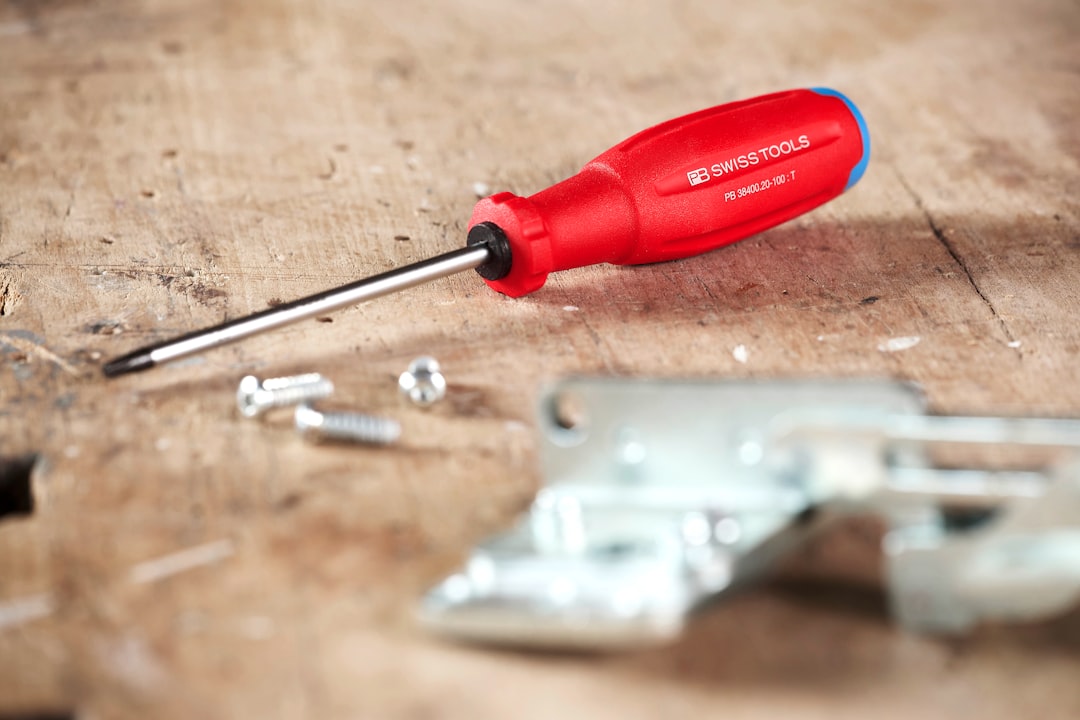
Consider the surface of a tool or a device. Is it comfortable to hold? Does it provide good grip? These aren’t trivial details. A poorly designed grip can lead to fatigue, reduced precision, and even injury. Enhancing this physical surface means thinking about textures, shapes, and materials that optimize the human-object interaction. It’s the difference between a cheap plastic mouse that makes your hand ache and a thoughtfully designed ergonomic one that feels like an extension of your arm.
The Digital Surface: User Interface and Interaction
In the digital world, the “surface” is the user interface (UI). It’s what you see, click, type on, and generally interact with. This is where most people immediately grasp the concept of enhancement.
Intuitive Design and Navigation
A good digital surface is intuitive. You shouldn’t have to hunt for functions or guess what a button does. Enhancing this surface means simplifying navigation, organizing information logically, and using consistent design patterns. Think about a clunky, old website versus a modern, streamlined app. The latter has had its “surface” polished and refined to make your journey through it effortless. It’s not just about aesthetics, but about reducing cognitive load and frustration.
Responsiveness and Performance
Beyond what you see, how the digital surface responds is crucial. Laggy animations, slow loading times, or unresponsive clicks are all examples of a poor digital surface. Enhancing this involves optimizing code, server performance, and network efficiency. A smooth, fast, and responsive interface feels reliable and professional. It shows care and attention to detail, even if the user can’t pinpoint the technical reasons why it feels better.
For those interested in enhancing the quality and durability of surfaces, a related article can provide valuable insights into various techniques and methods. You can explore the topic further by visiting this link: Surface Improvement Techniques. This article discusses innovative approaches to surface treatment that can significantly enhance performance and longevity.
The Conceptual Surface: Ideas and Communication
This is where the idea gets a bit more abstract but no less important. The “surface” can also be the way an idea is presented, how information is communicated, or even how a relationship functions.
Clarity and Accessibility of Ideas
When you’re trying to explain a complex topic, the “surface” is how you package that information. Is it clear, concise, and easy to understand for your audience? Enhancing this surface means using plain language, avoiding jargon where possible, and structuring your arguments logically. It’s about making big, intricate ideas digestible without oversimplifying them to the point of inaccuracy. Think about a university lecture that’s all academic jargon versus one that uses relatable analogies and clear examples.
Effective Communication Channels
The medium through which you communicate also forms part of this conceptual surface. Is an email the best way to convey urgency, or would a phone call be more effective? Is a detailed report necessary, or would a concise summary suffice? Choosing the right channel and tailoring your message to it is a form of surface enhancement, ensuring your message lands effectively. It might seem obvious, but often people just blast information without considering the optimal “surface” for its reception.
Professional Presentation and Branding
For businesses and individuals, the conceptual surface extends to branding and professional presentation. This includes everything from your business card design to your website’s messaging, and even your personal demeanor in a professional setting.
First Impressions and Trust
People form opinions quickly. The “surface” of your brand – its visual identity, tone of voice, and initial interactions – significantly influences how prospects and clients perceive you. Enhancing this means cultivating a consistent, professional, and trustworthy image. It’s not about being superficial, but about ensuring that your exterior accurately reflects the quality and values of what’s underneath. A poorly designed logo or confusing website can unintentionally communicate sloppiness or a lack of attention to detail, eroding trust before you even get a chance to prove yourself.
Strategic Approach to Surface Enhancement
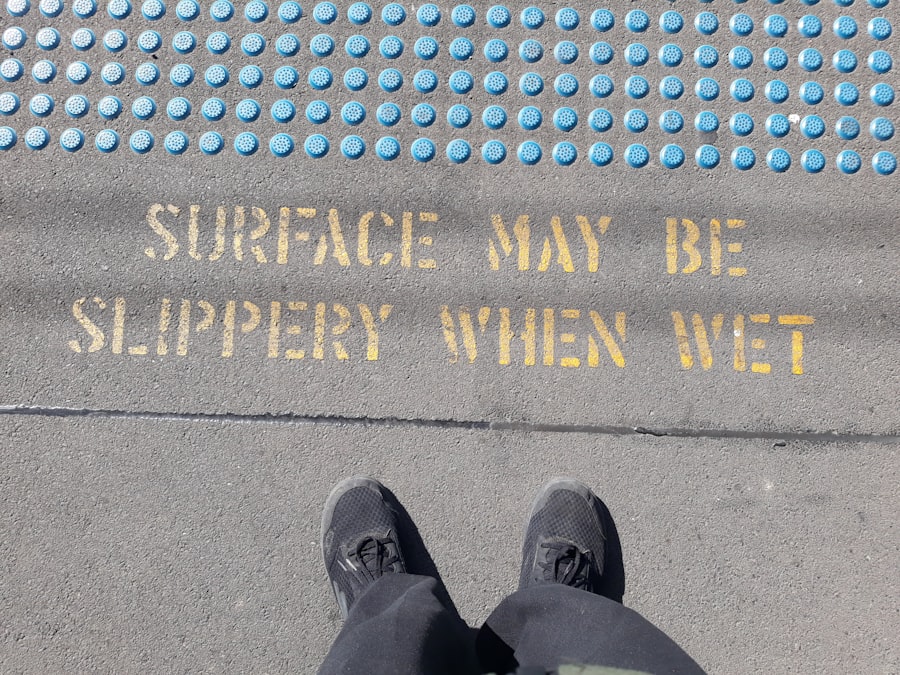
So, how do you go about actually enhancing these “surfaces”? It’s not usually a magic bullet, but a methodical process of observation, analysis, and targeted action.
Surface improvement techniques are essential for enhancing the durability and aesthetic appeal of various materials. For those interested in exploring effective methods for achieving superior surface finishes, a related article can provide valuable insights. You can read more about innovative approaches to surface enhancement in this informative piece on surface improvement techniques. This article delves into various strategies that can significantly enhance the performance and longevity of surfaces across different applications.
Identifying Pain Points and Friction
The first step is always to figure out what’s not working well. Where are people getting stuck? Where are things breaking down? This requires careful observation and listening.
User Feedback and Data Analysis
For physical and digital surfaces, this means collecting feedback directly from users. Surveys, interviews, usability testing, and analytics data can pinpoint specific areas of frustration or inefficiency. Watching someone struggle to open a package or navigate a website is invaluable. For conceptual surfaces, it might involve stakeholder interviews or peer review of your communication strategy. You can’t improve what you don’t understand, and often the “pain points” are exactly where the surface is rough.
Internal Audits and Self-Reflection
Sometimes, the issues are obvious from an internal perspective. Are manufacturing processes causing defects on product surfaces? Are internal communication methods leading to misunderstandings? Regularly reviewing your own processes and output with a critical eye can reveal surface-level issues before they become major problems for external users. It’s about being proactive and not waiting for the complaints to roll in.
Iteration and Incremental Improvement
Enhancing a surface is rarely a one-and-done deal. It’s an ongoing process of refinement.
Small Changes, Big Impact
Often, the most effective enhancements are small, incremental changes rather than massive overhauls. Adjusting a button’s placement, refining a sentence, or slightly altering a material’s texture can have a disproportionately large positive effect. This approach reduces risk and allows for continuous learning and adaptation. Think of software updates – they’re constantly improving the “digital surface” with small, regular refinements.
Testing and Re-Evaluation
Once you make a change, you need to test it to see if it actually improved things. Did the new coating perform better? Is the rephrased paragraph clearer? Did the ergonomic grip reduce reported discomfort? Without testing and re-evaluation, you’re just guessing, and you risk making things worse. This feedback loop is essential for true surface enhancement.
The Long-Term Benefits of Surface Enhancement
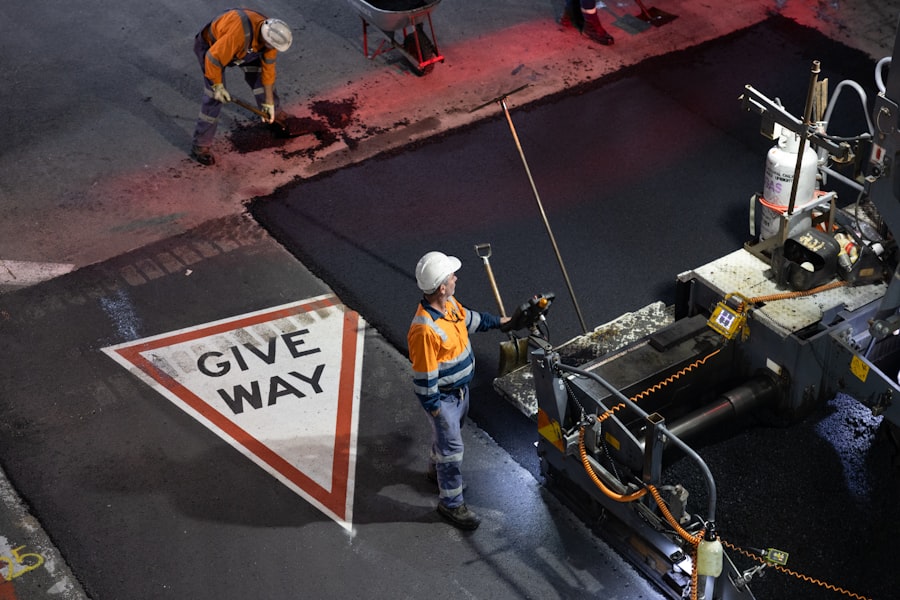
It might seem like a lot of focus on details, but the accumulation of these enhancements leads to significant long-term advantages.
Increased Efficiency and Productivity
When physical surfaces are optimized (reduced friction, better grip), or digital surfaces are streamlined (intuitive navigation, faster load times), tasks become quicker and less effortful. This directly translates to increased efficiency and productivity, whether it’s in a factory, an office, or on a personal device. Less time wasted wrestling with poor interfaces means more time spent on meaningful work.
Reduced Costs and Waste
Better-performing surfaces can reduce maintenance needs, extend product lifespans, and minimize errors caused by poor interaction. This can lead to significant cost savings and reduced waste in the long run. A durable coating means fewer replacements, and a clear instruction manual means fewer support calls.
Enhanced User Satisfaction and Loyalty
Ultimately, a superior “surface” leads to a better experience for the end-user. Whether it’s a comfortable product, an easy-to-use application, or a clear explanation, satisfaction increases. This doesn’t just make people happy; it builds trust and fosters loyalty, encouraging repeat business and positive recommendations. People remember experiences, and the “surface” is often the most palpable part of that experience.
Stronger Brand Reputation
Consistently delivering an excellent “surface” across all interactions strengthens your brand’s reputation. It signals attention to detail, quality, and a commitment to the user. This positive perception is invaluable in a crowded market where differentiating yourself often comes down to the quality of the overall experience. A brand known for polish and usability stands out from those that neglect their “surface.”
In essence, “enhancing surface” isn’t about superficiality; it’s about optimizing the points of contact and interaction that truly make a difference in how things perform, how ideas are received, and how people feel about what they’re encountering. It’s a practical mindset that can be applied to nearly anything, leading to tangible improvements across the board.
FAQs
What is surface improvement?
Surface improvement refers to the process of enhancing the quality, appearance, and functionality of a surface, such as metal, wood, or concrete, through various techniques and treatments.
What are some common surface improvement techniques?
Common surface improvement techniques include sandblasting, painting, powder coating, electroplating, anodizing, polishing, and surface etching.
Why is surface improvement important?
Surface improvement is important for enhancing the durability, corrosion resistance, aesthetics, and overall performance of surfaces, which can extend their lifespan and improve their functionality.
What are the benefits of surface improvement?
The benefits of surface improvement include improved appearance, increased resistance to wear and corrosion, enhanced functionality, and the ability to meet specific industry standards and regulations.
What industries can benefit from surface improvement?
Industries such as automotive, aerospace, construction, manufacturing, marine, and electronics can benefit from surface improvement techniques to enhance the quality and performance of their products and components.
