
วัสดุก่อสร้าง
Maximizing Efficiency with Low Friction Coating
Jul
So, you’re wondering how a low friction coating can actually make things run smoother, practically speaking? The short answer is: by reducing the resistance between surfaces that rub against each other. This might sound simple, but the implications are huge, impacting everything from how easily a drawer slides open to how efficiently a machine operates, ultimately saving you time, energy, and money.
Think of friction as that annoying drag you feel when you try to slide something heavy across a rough surface. It’s the force that opposes motion between two surfaces in contact. Low friction coatings are essentially thin layers applied to these surfaces that significantly reduce this opposing force. They create a smoother interface, allowing materials to glide past each other with much less effort.
The Science Behind the Smoothness
It’s not magic; it’s physics and materials science. These coatings work by altering the surface properties. They can achieve this in a few ways:
- Reducing Surface Roughness: Even seemingly smooth surfaces have microscopic peaks and valleys. Low friction coatings fill in these imperfections, creating a much flatter and more uniform surface. This directly decreases the points of contact where friction can occur.
- Creating a Slippery Layer: Some coatings inherently possess very low surface energy, meaning they don’t “want” to bond or interact strongly with other materials. Think of how water beads up on a waxed car – that’s low surface energy in action. These coatings create a barrier that repels contact, making movement easier.
- Self-Lubricating Properties: Certain advanced coatings contain solid lubricants that are released as the surfaces move. These tiny particles act like microscopic ball bearings, further minimizing contact and resistance.
Not All Coatings Are Created Equal
It’s important to understand that “low friction coating” is a broad category. Different materials offer varying degrees of friction reduction, durability, and compatibility with specific environments and applications. What works for a high-performance industrial machine might be overkill for a kitchen drawer.
Low friction coatings are increasingly being utilized in various applications to enhance performance and durability. For those interested in understanding more about innovative technologies that improve efficiency, you may find the article on inverters particularly insightful. It discusses how these devices operate and their impact on energy consumption, which can be related to the benefits of low friction coatings in reducing wear and tear. To read more, visit the article here: here.
Where You’re Already Benefiting (Probably Unknowingly)
You interact with low friction coatings more often than you might realize. Manufacturers use them to improve product performance and lifespan.
Everyday Examples You Might Overlook
- Cookware: The non-stick pans in your kitchen likely use a PTFE (polytetrafluoroethylene) coating, often known by the brand name Teflon. This drastically reduces food from sticking, making cooking and cleaning a breeze.
- Consumer Electronics: The smooth gliding of your phone or tablet screen is partly due to oleophobic (oil-repelling) coatings that also contribute to low friction, reducing fingerprint smudges and making swipes feel effortless.
- Medical Devices: In prosthetics and implants, low friction coatings are crucial for smooth movement and patient comfort, minimizing irritation and wear.
Industrial Applications That Keep Things Moving
In the industrial world, the impact is even more pronounced:
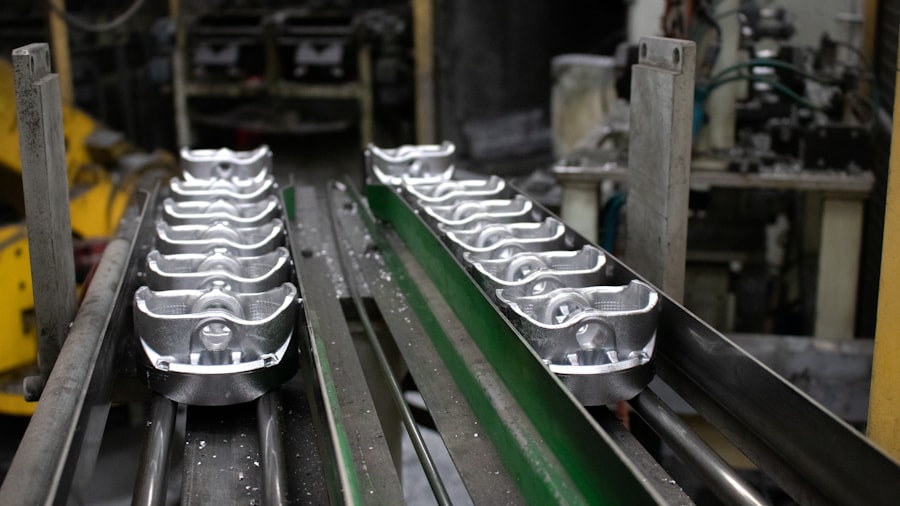
- Manufacturing Equipment: Conveyor belts, robotic arms, and automated machinery often employ low friction coatings to increase speed, reduce energy consumption, and prolong the life of components.
- Automotive Industry: From engine parts to reduce wear and improve fuel efficiency, to coatings on brake components for smoother operation, the automotive sector relies heavily on these technologies.
- Aerospace: In aircraft, where every gram of weight and every bit of efficiency counts, low friction coatings are used on various components to ensure reliable operation in extreme conditions.
The Practical Advantages: Saving Time, Energy, and Money
The primary appeal of low friction coatings lies in their tangible benefits. They directly translate into improvements in how things work, and importantly, how much they cost to operate and maintain.
Energy Savings: A Greener and Cheaper Way to Operate
Reduced friction means less work is required to move an object or operate a mechanism.
- Reduced Power Consumption: Machines using low friction surfaces need less energy to achieve the same output. This can lead to significant electricity bill reductions for businesses and lower energy consumption overall.
- Improved Fuel Efficiency: In vehicles, reducing friction in engines, transmissions, and other moving parts directly contributes to better miles per gallon or kilometers per liter, saving consumers money at the pump and reducing emissions.
- Less Heat Generation: Friction generates heat. By reducing it, you decrease the need for cooling systems, which further conserves energy and reduces equipment wear.
Wear Reduction and Extended Lifespan: Less Replacement, More Reliability
When surfaces rub against each other with less resistance, they also experience less wear and tear.
- Fewer Breakdowns: Components coated for low friction are less prone to damage from abrasion and sticking. This means fewer unexpected breakdowns and less downtime for repairs.
- Longer Component Life: Instead of replacing parts frequently, you’ll find they last much longer, saving on the cost of replacement parts and labor.
- Consistent Performance: As components wear less, their performance remains more consistent over time, ensuring that machinery and devices operate as intended for longer periods.
Improved Performance and Productivity: Getting More Done, Faster
The direct result of less resistance is often increased speed and smoother operation.
- Faster Speeds: In manufacturing, this can translate to faster production lines and higher output.
- Smoother Operation: For consumer products, it means a more pleasant and intuitive user experience, from opening a cabinet door to navigating software.
- Reduced Noise: Less friction can also lead to quieter operation, which is a benefit in both industrial and consumer settings.
Choosing the Right Coating for Your Needs
With so many options available, selecting the best low friction coating requires careful consideration of your specific application. It’s not a one-size-fits-all situation.
Material Matters: Popular Choices and Their Strengths
Different materials excel in different scenarios. Understanding their properties is key:
- PTFE (Polytetrafluoroethylene): Extremely low friction, excellent chemical resistance, but can have limitations in terms of hardness and temperature resistance in its pure form. Often used in non-stick coatings and as a solid lubricant additive.
- FEP (Fluorinated Ethylene Propylene): Similar to PTFE but can be processed at lower temperatures, offering good chemical resistance and a low coefficient of friction.
- PFA (Perfluoroalkoxy Alkane): Offers excellent chemical resistance and high-temperature performance along with low friction. Can be applied as a liquid coating that then cures.
- Ceramic Coatings (e.g., Zirconia, Alumina with additives): Can provide excellent wear resistance and moderate friction reduction, often used in demanding environments where high temperatures and abrasion are concerns.
- Diamond-Like Carbon (DLC) Coatings: Known for extreme hardness and very low friction, making them ideal for high-wear applications like engine components, cutting tools, and sporting equipment.
- Molybdenum Disulfide (MoS2) and Tungsten Disulfide (WS2): These are solid lubricants often incorporated into binders to create coatings. They are highly effective in vacuum and high-temperature environments where traditional liquid lubricants fail.
Application Methods: How the Coating is Applied
The way a coating is applied can impact its performance and durability.
- Spraying: A common method for applying liquid coatings, allowing for even coverage over complex shapes.
- Dipping: Suitable for coating smaller parts, where the component is immersed in the coating material.
- PVD (Physical Vapor Deposition) and CVD (Chemical Vapor Deposition): These are advanced vacuum-based techniques used for applying thin, highly uniform, and extremely durable coatings like DLC and some ceramic types. They offer excellent adhesion and performance but are more complex and costly.
- Thermal Spraying: Used to apply a wide range of materials, including ceramics and some metals, at high temperatures, creating a robust and wear-resistant coating.
Considering Your Environment: The Critical Factor
The conditions under which a coated part will operate are paramount:
- Temperature Range: Will the part be exposed to extreme heat or cold? Some coatings degrade at high temperatures, while others can become brittle in extreme cold.
- Chemical Exposure: Will the part come into contact with solvents, acids, bases, or other corrosive substances? The coating must be chemically resistant to survive.
- Abrasion and Wear: Is the part subjected to polishing, scraping, or grinding? A coating’s hardness and its ability to resist wear are crucial here.
- Load Bearing: Will the coated surface need to support significant weight or pressure? The coating needs to have sufficient mechanical strength.
- Food Contact or Medical Applications: These industries have strict regulations regarding the materials used. Coatings must be food-grade or biocompatible, respectively.
Low friction coatings are becoming increasingly popular in various industries due to their ability to reduce wear and improve efficiency. For those interested in exploring this topic further, a related article discusses the benefits and applications of these coatings in detail. You can read more about it in this informative piece that highlights how low friction coatings can enhance performance in different settings. For additional insights, check out the article here: here.
Real-World Implementation: Making it Happen
| Metrics | Data |
|---|---|
| Coating Thickness | 0.5mm |
| Friction Coefficient | 0.1 |
| Wear Resistance | High |
| Surface Hardness | 60-70 HRC |
Implementing low friction coatings might seem like a purely technical endeavor, but it can be integrated into various projects, both big and small.
For Businesses: Optimizing Equipment and Products
For manufacturers or those operating industrial machinery, integrating these coatings can be a strategic decision.
- Component Specification: When sourcing new equipment or parts, consider specifying low friction coatings where they offer a clear benefit. This might involve consulting with your equipment suppliers.
- Retrofitting Existing Equipment: In some cases, it’s possible to have existing components coated. This can be a cost-effective way to upgrade older machinery without full replacement.
- Product Design and Innovation: For companies developing new products, incorporating low friction surfaces from the outset can lead to significant performance advantages and a better user experience.
For DIY Enthusiasts and Homeowners: Practical Upgrades
You don’t need an industrial factory to leverage the benefits of lower friction.
- Drawer Slides and Hinges: A simple application of a dry lubricant spray or a specialized PTFE tape on drawer slides can make them glide much more smoothly. Old, sticky cabinet doors can be revived.
- Tools: Some hand tools can benefit from a light coating of a dry lubricant to prevent rust and ensure smoother operation. Think of garden tools or even sliding mechanisms on a workbench.
- Bicycle Components: Chains, derailleurs, and other moving parts on a bicycle can perform better with appropriate lubrication, which often involves low friction compounds.
Low friction coatings have gained significant attention in various industries due to their ability to reduce wear and improve efficiency. These coatings can be particularly beneficial in applications where friction reduction is crucial for performance and longevity. For those interested in exploring more about the practical applications and benefits of low friction coatings, you might find this article on home maintenance and care insightful. It discusses various techniques and tips that can enhance the longevity of household items, including the use of specialized coatings. You can read more about it in this informative piece here.
The Future of Low Friction: Beyond Today’s Capabilities
The field of friction reduction is constantly evolving, with researchers pushing the boundaries of what’s possible.
Advanced Materials and Nanotechnology
The development of new materials and the application of nanotechnology are opening up exciting possibilities.
- Self-Healing Coatings: Imagine coatings that can repair minor scratches and wear on their own, extending their lifespan even further.
- Smart Coatings: Future coatings might be able to actively adjust their friction properties in response to changing environmental conditions.
- Ultra-Low Friction Materials: Research into new molecular structures and exotic materials promises even greater friction reduction capabilities for highly specialized applications.
Sustainability and Circular Economy
As the world focuses more on sustainability, low friction coatings play a role.
- Reduced Material Consumption: Longer-lasting components mean less frequent replacement, reducing the demand for raw materials and the waste generated.
- Energy Efficiency: As mentioned, reduced energy consumption is a direct benefit to environmental efforts.
- Environmentally Friendly Application Processes: Developing coatings that can be applied with less energy and fewer harmful chemicals will be a key focus.
Ultimately, low friction coatings are not just a technical detail; they are a practical solution that impacts efficiency, cost, and performance across an incredibly wide range of applications. By understanding the basics and considering your specific needs, you can harness their power to make things work better, last longer, and cost less to operate.
FAQs
What is a low friction coating?
A low friction coating is a thin layer of material applied to a surface to reduce friction and improve the surface’s resistance to wear and corrosion. These coatings are commonly used in industrial and manufacturing applications to improve the performance and longevity of machinery and equipment.
What are the benefits of using a low friction coating?
Low friction coatings offer several benefits, including reduced friction and wear, improved corrosion resistance, increased durability, and enhanced performance of moving parts. These coatings can also help to reduce energy consumption and maintenance costs in various applications.
What are some common applications of low friction coatings?
Low friction coatings are used in a wide range of applications, including automotive components, industrial machinery, aerospace components, medical devices, and consumer products. They are often applied to surfaces such as bearings, gears, pistons, seals, and sliding components to improve their performance and longevity.
What are the different types of low friction coatings available?
There are several types of low friction coatings available, including PTFE (polytetrafluoroethylene), molybdenum disulfide, graphite, and various polymer-based coatings. Each type of coating offers unique properties and is suitable for different applications based on factors such as temperature, load, and environmental conditions.
How are low friction coatings applied to surfaces?
Low friction coatings can be applied to surfaces using various methods, including spraying, dipping, brushing, and electroplating. The specific application method depends on the type of coating and the material of the substrate. Proper surface preparation and application techniques are essential to ensure the effectiveness and durability of the coating.
