
วัสดุก่อสร้าง
Advanced Vacuum Carburizing: Enhancing Material Performance
Jun
So, you’re curious about advanced vacuum carburizing and how it can make your materials tougher and more durable? In a nutshell, it’s a heat treatment process that pushes carbon into the surface of metal parts while they’re in a vacuum. This creates a hardened outer layer, offering superior wear resistance and fatigue strength compared to traditional methods, without the messy atmosphere controls. Think of it as giving your parts a super-tough, invisible shield.
Before we dive into the “how,” let’s touch on “why” you’d even consider this. Traditional surface hardening methods can sometimes be a bit… unpredictable. They might lead to distortion, scaling, or uneven hardness. Advanced vacuum carburizing aims to give you more control and a better outcome, especially for demanding applications where material performance is absolutely critical.
What’s the Big Deal with Carburizing?
Carburizing, at its core, is about increasing the carbon content of a metal’s surface. Carbon is like the key ingredient that makes steel harden when it’s heated and then cooled quickly (quenched). By adding carbon to the surface, you’re essentially creating a very hard, wear-resistant shell over a tougher, more ductile core. This combination is a winner for many engineering components.
Limitations of “Old School” Carburizing
The older ways of doing this often involved using gas atmospheres. While effective, these methods can be tricky. You have to manage the gas composition carefully to get the carbon into the metal without creating unwanted side effects like scaling (oxide layers) or smutting (graphite deposits). Also, sometimes the parts come out a bit warped because of the uneven heating and cooling. This is where the “advanced” part comes in.
The Vacuum Advantage: Cleaner and More Controlled
Putting the process in a vacuum changes everything. Instead of relying on a chemical reaction with gas floating around, the carbon atoms are introduced in a controlled way, often using acetylene gas which then decomposes onto the hot metal surface. The vacuum environment prevents oxidation and scaling, meaning cleaner parts and a more consistent case depth and hardness. This leads to better mechanical properties and fewer post-treatment cleaning steps.
Vacuum carburizing is a highly effective heat treatment process used to enhance the surface hardness of steel components, making them more durable and wear-resistant. For those interested in learning more about advanced heat treatment techniques, you can explore a related article that discusses various methods and their applications in modern manufacturing. To read more, visit here.
The Vacuum Carburizing Process Unpacked
Let’s break down how this actually works, step-by-step. It’s not magic, but it is a precise sequence designed to achieve specific material enhancements.
The Loading and Evacuation Phase
First, the parts are carefully loaded into a vacuum furnace. Think of this as a high-tech oven. They need to be clean and free of any oils or contaminants that could interfere with the process. Once loaded, the furnace is sealed up, and then the air is pumped out, creating a vacuum. This is crucial for the next steps.
Why the Vacuum Matters So Much
The vacuum isn’t just for show. It removes the oxygen and other reactive gases that would normally cause oxidation and scaling at the high temperatures we’ll be using. This is a major advantage over older, atmosphere-controlled methods, leading to brighter, cleaner parts.
The Heating and Carbon Diffusion Stage
After the vacuum is established, the furnace heats the parts to a high temperature – typically around 900-1050°C (1650-1925°F). At these temperatures, the steel is like a sponge, ready to absorb carbon. A carbon-rich gas (like acetylene) is then introduced into the vacuum chamber. This gas decomposes, and the carbon atoms diffuse into the surface of the steel.
How Carbon Gets In
The carbon atoms find their way into the crystal structure of the iron atoms. This process is driven by temperature and time. The longer the parts are held at temperature in the carbon-rich atmosphere, the deeper the carbon will penetrate, and the higher the surface carbon content can become.
Controlled Cooling and Quenching
Once the desired carbon diffusion is achieved, the carbon-rich gas is removed, and the vacuum is re-established. Then comes the cooling. This is where the “case hardening” really happens. Depending on the alloy and the desired properties, parts are either cooled in the furnace (slow cool, less distortion) or more commonly, rapidly cooled (quenched) in a fluid like oil or gas.
The Quenching Step: Locking in Hardness
The rapid cooling transforms the high-carbon surface layer into a very hard structure called martensite. This is what gives the part its excellent wear resistance. The slower-cooling core retains its toughness. The vacuum furnace allows for precise control over this cooling phase as well, often using high-pressure gas quenching for excellent uniformity and minimizing distortion.
Achieving Superior Material Properties
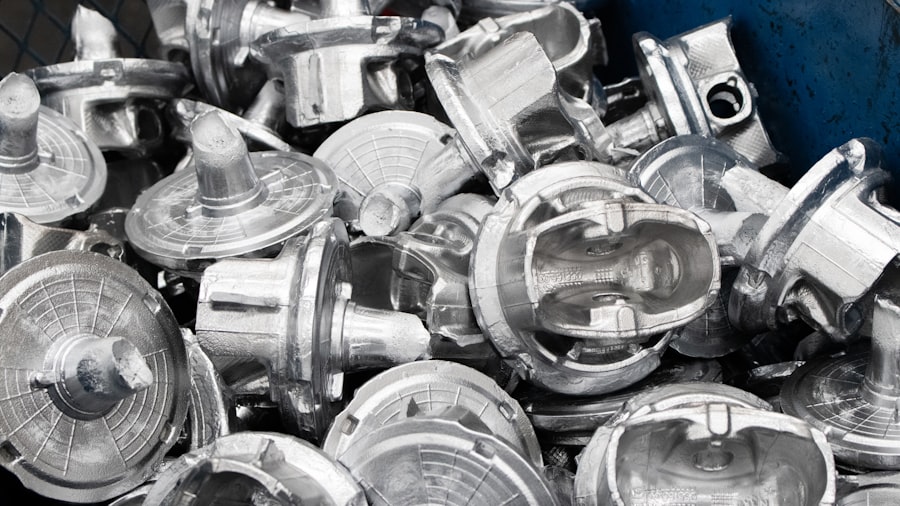
The real payoff of advanced vacuum carburizing is in how it transforms the material’s performance. It’s not just about being hard; it’s about being hard where it counts, while maintaining overall structural integrity.
Enhanced Wear Resistance
This is arguably the most significant benefit. The high-carbon, hardened surface layer is incredibly resistant to abrasion, erosion, and galling. This is why vacuum carburized parts are found in applications like gears, shafts, and bearing surfaces where constant friction and wear are unavoidable.
Surface Hardness vs. Depth
It’s not just about the surface being hard. Advanced vacuum carburizing allows for precise control over the hardness gradient – how the hardness decreases as you go deeper into the material. This optimizes the balance between a super-hard wear surface and a tougher core to absorb shock loads.
Improved Fatigue Strength
Components often fail due to repeated stress cycles, even if the stress is below the material’s ultimate tensile strength. This is fatigue failure. The hardened case in carburized parts can significantly increase fatigue life. By strengthening the surface where stresses are often concentrated, it becomes much more resistant to crack initiation and propagation.
The Role of Residual Stress
Interestingly, the hardening process can actually introduce beneficial compressive residual stresses into the surface layer. These compressive stresses act like a force pushing back against any tensile stresses that the part might experience during operation, making it harder for fatigue cracks to start.
Reduced Distortion and Warping
Compared to some conventional heat treatment methods, advanced vacuum carburizing often results in less distortion. This is a huge advantage because it can reduce the need for extensive post-treatment grinding or straightening, saving time and money.
The Vacuum and Controlled Cool Advantage
The vacuum environment prevents scaling, which can cause uneven cooling and thus distortion. Furthermore, the precise control over heating and cooling rates in modern vacuum furnaces allows for strategies to minimize warping, especially when using techniques like gas quenching.
Advanced Techniques and Variations
The field of vacuum carburizing isn’t static. There are refinements and variations that push performance even further, often by fine-tuning the process parameters or combining it with other treatments.
Pulsed Vacuum Carburizing (PVC)
This is a more sophisticated approach where the carbon-rich gas is pulsed in and out of the furnace. This can improve the uniformity of carbon diffusion and allow for precise control over the carbon profile, leading to even better material properties.
Optimizing Carbon Uptake
PVC allows for repeated cycles of heating and carbon enrichment. This can help achieve deeper cases or higher surface carbon concentrations more efficiently and with better control than a single long soak.
High-Pressure Gas Quenching (HPGQ)
While not strictly a carburizing technique, HPGQ is often paired with vacuum carburizing. After the carburizing cycle, instead of quenching in oil, the parts are cooled rapidly by circulating a high-pressure inert gas (like nitrogen or argon) around them.
The Best of Both Worlds: Hardness and Low Distortion
HPGQ provides the rapid cooling needed for hardening but is much gentler than oil quenching, significantly reducing distortion. This makes it ideal for complex or thin-walled parts that are prone to warping.
Low-Pressure Carburizing (LPC)
This refers to carburizing at lower pressures than traditional gas carburizing. It’s a precursor to the fully vacuum-based methods and offers some of the same cleanliness benefits. Advanced vacuum carburizing takes this a step further by operating in a near-perfect vacuum.
The Evolution of Clean Heat Treatment
LPC and its evolution into full vacuum carburizing represent a move towards cleaner, more controlled, and ultimately higher-performing surface hardening processes.
Vacuum carburizing is an advanced heat treatment process that enhances the surface hardness of steel components, making them more durable and wear-resistant. For those interested in learning more about this innovative technique, you might find a related article on the topic particularly insightful. It discusses various methods and benefits of vacuum carburizing in detail, which can be accessed through this article. Understanding these processes can significantly impact the performance and longevity of various industrial applications.
Applications Where Advanced Vacuum Carburizing Shines
| Parameter | Metric |
|---|---|
| Carburizing Temperature | 900-950°C |
| Carburizing Time | 2-4 hours |
| Carburizing Gas | Acetylene or Methane |
| Carburizing Depth | 0.1-2.0 mm |
| Quenching Medium | Oil or Gas |
Given its advantages, it’s no surprise that advanced vacuum carburizing is the go-to process for many demanding engineering applications.
Automotive Components
Gears for transmissions, camshafts, crankshafts, and various drivetrain components benefit immensely from the wear resistance and fatigue life improvements offered by vacuum carburizing.
Powertrain Durability
In the automotive world, reliability and longevity are paramount. Vacuum carburized parts are essential for ensuring that critical powertrain components can withstand years of high stress and wear.
Aerospace Parts
Critical components in aircraft, such as landing gear parts, engine components, and actuators, require the highest levels of reliability and performance. Vacuum carburizing provides the necessary material properties to ensure their safety and effectiveness.
Extreme Environments Demanding Performance
Aerospace applications often involve extreme temperatures, loads, and operating conditions. The enhanced wear resistance and fatigue strength from vacuum carburizing are vital for surviving these challenges.
Industrial Machinery and Tooling
Gears, bearings, cutting tools, and molds used in heavy industrial machinery or high-precision manufacturing often employ vacuum carburizing to extend their service life and maintain their performance under demanding conditions.
Longevity and Reduced Maintenance
In industrial settings, downtime is costly. Using vacuum carburized components means they last longer, require less frequent replacement, and lead to reduced maintenance costs.
Medical Devices
Certain precision components in medical equipment, where hygiene and durability are critical, can also utilize vacuum carburized surfaces for enhanced wear resistance and a cleaner, more durable finish.
Biocompatibility and Precision
While the core material needs to be biocompatible, the surface treatment can provide the necessary mechanical properties for devices that require precise movement and resistance to wear over time.
Selecting the Right Material for Vacuum Carburizing
Not every metal is ideal for vacuum carburizing. The alloy composition plays a crucial role in how well it will respond to the process and what properties it will ultimately achieve.
Steel Grades: The Primary Candidates
The most common materials for vacuum carburizing are low-alloy steels. These steels are specifically designed to be hardened through heat treatment. Key elements like carbon, chromium, molybdenum, and nickel influence their hardenability and the achievable case depth and hardness.
Carbon Content is Key
The initial carbon content of the steel is critical. A lower carbon content (typically 0.1-0.25%) is desirable to allow for diffusion of additional carbon to create the hard surface, while the core retains ductility. Higher carbon steels might become too brittle.
Other Considerations: Beyond Steel
While steel is the primary material, other alloys can sometimes be vacuum carburized, though it’s less common and requires specialized expertise. For example, some nickel-based alloys can undergo a similar process to improve their surface characteristics.
The Importance of Metallurgical Understanding
Choosing the right material involves a deep understanding of its microstructure, its response to heat treatment, and the specific performance requirements of the final component.
The Future of Advanced Vacuum Carburizing
This isn’t a mature technology resting on its laurels. There’s ongoing research and development aimed at making the process even more efficient, precise, and sustainable.
Computational Modeling and Simulation
Advanced computer simulations are playing an increasingly important role. Engineers can now model the diffusion of carbon, the resulting microstructure, and even predict distortion with high accuracy before running the actual process.
Predicting Performance Before Processing
This predictive capability allows for optimization of process parameters, reducing trial-and-error and leading to more consistent and superior results.
Integration with Other Processes
We’re seeing a growing trend of integrating vacuum carburizing with other advanced surface treatments or manufacturing techniques, such as additive manufacturing (3D printing).
A Holistic Approach to Material Design
Imagine 3D printing a complex part and then vacuum carburizing its critical surfaces to achieve the desired mechanical properties. This integrated approach opens up new possibilities for component design and performance.
Sustainability and Energy Efficiency
As with many industrial processes, there’s a drive to make vacuum carburizing more energy-efficient and environmentally friendly. Innovations in furnace design and process optimization are contributing to this goal.
Reducing Environmental Impact
By using precisely controlled atmospheres and efficient heating methods, the energy consumption and potential emissions associated with vacuum carburizing are continually being reduced.
In essence, advanced vacuum carburizing is a powerful tool for engineers looking to push the boundaries of material performance. It’s a sophisticated process that offers significant advantages in terms of wear resistance, fatigue strength, and dimensional stability, making it indispensable for a wide range of high-demand applications.
FAQs
What is vacuum carburizing?
Vacuum carburizing is a heat treatment process used to increase the surface hardness of a metal component by introducing carbon into its surface layer. This is achieved by placing the component in a vacuum furnace and exposing it to a carbon-rich atmosphere at high temperatures.
What are the advantages of vacuum carburizing?
Vacuum carburizing offers several advantages over traditional carburizing methods, including improved control over the process, reduced distortion of the component, and the ability to achieve precise and uniform carburizing depths. Additionally, it eliminates the need for post-carburizing cleaning processes.
What materials can be vacuum carburized?
A wide range of materials can be vacuum carburized, including low carbon steels, alloy steels, and tool steels. It is also suitable for carburizing complex-shaped components and parts with tight dimensional tolerances.
What industries commonly use vacuum carburizing?
Vacuum carburizing is commonly used in industries such as automotive, aerospace, tool and die, and general engineering. It is particularly well-suited for applications where precise control over the carburizing process and minimal distortion of the components are critical.
What are the key process parameters in vacuum carburizing?
The key process parameters in vacuum carburizing include temperature, carbon potential of the atmosphere, and time. These parameters are carefully controlled to achieve the desired carburizing depth and hardness while minimizing distortion and ensuring uniformity across the component.
