
วัสดุก่อสร้าง
Revolutionizing Surfaces with Advanced Coating Technology
Jul
Alright, let’s talk about how advanced coating technology is shaking things up for surfaces. In a nutshell, we’re moving beyond simple paint to sophisticated layers that fundamentally change how materials behave, offering amazing new properties like self-cleaning, extreme durability, and often, significant performance improvements. This isn’t just about making things look pretty; it’s about making them better.
Think of traditional paint as a decorative or protective layer sitting on top of a surface. Advanced coatings, however, are a different beast entirely. They’re engineered at a microscopic — sometimes even nanoscale — level to interact with the underlying material and their environment in very specific ways. It’s less about slapping on a color and more about building a functional skin.
Engineered at the Microscopic Level
These aren’t haphazard concoctions. Scientists and engineers precisely design the chemical composition and physical structure of these coatings. They’re often multi-layered, with each layer contributing a specific property, whether it’s adhesion, flexibility, scratch resistance, or a particular functional aspect. It’s a bit like building a miniature, high-tech sandwich on your material.
More Than Just Aesthetics
While some advanced coatings can certainly make things look good, their primary purpose is usually performance. We’re talking about properties that were once impossible or incredibly difficult to achieve with conventional materials. This shift is crucial because it opens doors for new product designs, extends the lifespan of existing ones, and often leads to more sustainable solutions.
Advanced Coating Technology plays a crucial role in enhancing the durability and performance of various materials. For those interested in exploring practical applications and techniques related to this field, a related article can be found at here. This article discusses various methods of applying coatings that can significantly improve the lifespan and aesthetic appeal of household items, making it a valuable resource for anyone looking to enhance their living space.
The Power of Performance: Key Benefits in Focus
So, what exactly do these fancy coatings bring to the table? A whole lot, actually. The benefits are wide-ranging and often interconnect, creating a material that’s far more capable than its uncoated counterpart.
Unprecedented Durability and Longevity
This is a big one. Coatings can dramatically increase a material’s resistance to wear and tear.
Abrasion Resistance
Imagine tools, industrial machinery, or even consumer electronics that can withstand constant rubbing and scraping without showing significant damage. Coatings with materials like ceramics or specialized polymers can make surfaces incredibly hard-wearing. This means less frequent replacement, lower maintenance costs, and a longer operational life for equipment. Think of a cutting tool that stays sharp for much longer, or a smartphone screen that resists scratches from keys in your pocket.
Corrosion Protection
Rust and corrosion are massive problems across countless industries, from automotive to infrastructure. Advanced coatings act as formidable barriers against moisture, chemicals, and other corrosive elements. This isn’t just a thin film of paint; it’s often a highly impermeable layer designed to prevent electrochemical reactions that lead to material degradation. This saves billions in repairs and replacements annually and is critical for safety in structures like bridges and pipelines.
UV and Weathering Resistance
The sun and elements can be brutal, causing materials to fade, crack, and become brittle. Coatings with UV stabilizers and specialized chemical structures can shield materials from the damaging effects of sunlight, rain, and extreme temperatures. This is vital for outdoor signs, building exteriors, automotive finishes, and any product exposed to the elements, ensuring they maintain their structural integrity and appearance over many years.
Smart and Responsive Surfaces
This is where things get really interesting – coatings that don’t just protect, but actively do something.
Self-Cleaning Properties
Ever wish your windows or car would just clean themselves? Nanostructured coatings can make this a reality. Two main mechanisms are at play:
- Hydrophilic Coatings: These love water. When water hits them, it spreads out into a thin sheet, picking up dirt as it flows, essentially washing the surface clean with minimal effort. Think of a persistent rain shower becoming a cleaning agent.
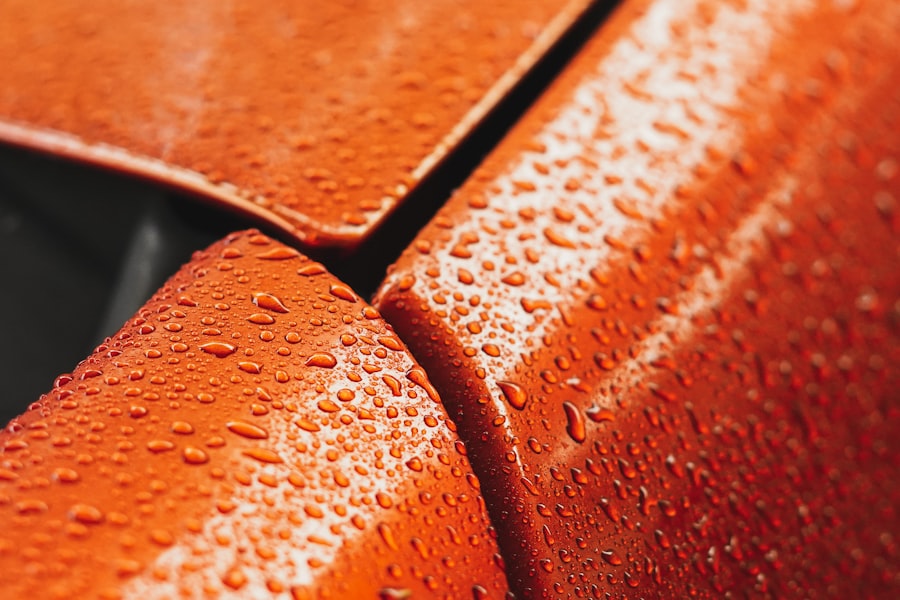
- Hydrophobic/Superhydrophobic Coatings: These hate water. They create surfaces where water droplets bead up almost perfectly, rolling off and carrying dirt particles with them. The famous lotus effect is a natural example. This means less scrubbing for you and less accumulation of grime on surfaces like solar panels, which can then operate more efficiently.
Anti-Fouling and Anti-Bacterial Surfaces
For medical devices, marine vessels, and even public touch screens, preventing unwanted biological growth is critical.
- Anti-Fouling: In marine environments, organisms like barnacles clinging to ship hulls increase drag and fuel consumption. Coatings containing specific chemicals or structures can prevent these organisms from attaching, keeping vessels sleek and efficient.
- Anti-Bacterial: In healthcare, surfaces that actively kill or inhibit bacterial growth are game-changers. Coatings infused with silver nanoparticles, copper, or other antimicrobial agents can significantly reduce the spread of infections, making hospitals, clinics, and even consumer products safer.
Thermal Regulation
Some coatings can actually manage heat.
- Reflective Coatings: Applied to roofs or building facades, these coatings bounce a significant portion of solar radiation away from the surface, keeping interiors cooler and reducing air conditioning costs. They can be particularly effective in urban areas, combating the “heat island” effect.
- Emissive Coatings: Conversely, some coatings are designed to efficiently radiate heat away from components, helping to cool electronics or engines in high-temperature environments, which is crucial for performance and lifespan.
How Do They Work? The Science Underneath
Understanding a little bit about the science helps appreciate the ingenuity involved. It’s not just about mixing ingredients; it’s about precise control at the molecular level.
Material Selection: It’s Not One-Size-Fits-All
The choice of materials is crucial and depends entirely on the desired properties.
Polymers
Think plastics, but highly engineered. Polymers offer flexibility, chemical resistance, and can be tailored for various properties. They form the backbone of many protective and decorative coatings. Their molecular chains can be cross-linked (chemically bonded) to create very tough and resilient films.
Ceramics
Extremely hard and heat-resistant, ceramics like silicon carbide or titanium dioxide are used for super-durable and high-performance coatings. They’re often applied in very thin layers to impart properties like extreme scratch resistance or thermal stability without making the underlying material brittle.
Metals and Metal Alloys
Thin layers of metals can be deposited to provide electrical conductivity, corrosion protection, or specific optical properties (like highly reflective surfaces). Alloys offer tailored combinations of these properties.
Nanomaterials
This is where things get really exciting. Nanoparticles (materials measured in billionths of a meter) of silica, titanium dioxide, silver, or carbon nanotubes can introduce entirely new properties. Their tiny size and high surface area-to-volume ratio allow for effects like UV blocking, self-cleaning, enhanced strength, or antimicrobial action, often by interacting directly with light or biological entities.
Application Techniques: Precision is Key
Getting the coating onto the surface isn’t always as simple as brushing it on. Advanced coatings often require specialized application methods to achieve the desired structure and adhesion.
Vapor Deposition (PVD/CVD)
This involves depositing thin films from a gaseous phase.
- Physical Vapor Deposition (PVD): Atoms or molecules are physically ejected from a source material (e.g., by sputtering or evaporation) and condense onto the substrate. It’s excellent for very thin, hard, and uniform layers, often used for wear-resistant tool coatings or optical films.
- Chemical Vapor Deposition (CVD): Chemical reactions occur on or near the substrate surface, forming the coating. This allows for very conformal and dense coatings, often used for semiconductors or advanced ceramic layers.
Spraying Techniques
While sounding basic, specialized spraying methods achieve precise control.
- Thermal Spraying: Materials (metals, ceramics) are heated to a molten or semi-molten state and sprayed onto the surface at high velocity. This builds up thick, dense, and very hard coatings, often used for repairing or enhancing industrial components. Plasma spraying, arc spraying, and flame spraying are common variations.
- Electrostatic Spraying: Particles or droplets are electrically charged and attracted to a grounded substrate, ensuring even coverage, especially on complex shapes, and reducing overspray.
Dip Coating and Spin Coating
These are often used for lab-scale work or for creating very thin, uniform films.
- Dip Coating: The substrate is simply dipped into a solution containing the coating material and then slowly withdrawn, leaving a thin film.
- Spin Coating: A small amount of coating material is applied to the center of a substrate, which is then rotated at high speed, spreading the liquid into a uniform, very thin layer. Used extensively in microelectronics.
Where Are We Seeing This? Real-World Applications
Advanced coatings aren’t just theoretical; they’re already transforming industries and our daily lives in tangible ways.
Automotive and Aerospace
These industries demand the utmost in performance and reliability.
Lightweighting and Fuel Efficiency
Coatings can reduce the need for heavier, more robust base materials. For instance, a lightweight alloy coated with a super-hard ceramic can withstand incredible wear, allowing for lighter engine components. Anti-friction coatings in engines lead to less energy loss, improving fuel economy.
Enhanced Performance and Safety
Think of turbine blades in jet engines, operating at extreme temperatures. Specialized thermal barrier coatings protect these critical components, allowing engines to run hotter and more efficiently without melting. In cars, advanced coatings enhance optical clarity for windshields, are used in self-healing clear coats, and improve the durability of interior surfaces.
Building and Construction
Making buildings more durable, efficient, and aesthetically pleasing.
Energy-Efficient Structures
“Cool roofs” mentioned earlier significantly reduce heat absorption, lowering AC costs. Electrochromic (smart) windows, which change their tint on demand using an electrical current, control light and heat naturally, reducing energy consumption for lighting and cooling.
Self-Cleaning Facades
Buildings in urban environments collect grime quickly. Self-cleaning coatings on glass or concrete mean less regular facade cleaning, saving on maintenance costs and improving urban aesthetics.
Durable Infrastructure
Coatings protect bridges, pipelines, and concrete structures from harsh weather, chemical exposure, and corrosion, significantly extending their lifespan and reducing the need for costly repairs and premature replacement.
Healthcare and Biotechnology
Precision and sterile environments are paramount here, and coatings play a vital role.
Biocompatible Implants
For medical implants (like hip replacements or stents), coatings ensure the body doesn’t reject the material. Titanium nitride or hydroxyapatite coatings promote cell growth and integration with bone, and reduce allergic reactions, leading to better patient outcomes.
Antimicrobial Surfaces
From surgical tools to hospital room surfaces, coatings infused with antimicrobial agents dramatically reduce the spread of bacteria and viruses, crucial for infection control in healthcare settings.
Diagnostic Devices
Coatings on biosensors and lab-on-a-chip devices can create specific binding sites for detecting analytes, improving the sensitivity and accuracy of diagnostic tests.
Electronics and Consumer Goods
Our gadgets and everyday items are also getting an upgrade.
Water and Scratch-Resistant Devices
Many modern smartphones and wearables feature coatings that repel water (hydrophobic) or provide enhanced scratch resistance for screens and casings, extending their useful life and enhancing user experience.
Enhanced Display Technology
Anti-reflective coatings improve the clarity and readability of screens in various lighting conditions, while conductive coatings enable touchscreens.
Smart Textiles
Imagine clothes that are water-repellent, stain-resistant, or even self-cleaning due to advanced fiber coatings. This technology is already making its way into performance wear and specialized garments.
Advanced Coating Technology has been a pivotal area of research, particularly in enhancing the durability and performance of various materials. For those interested in exploring this topic further, a related article discusses innovative applications and advancements in coating technologies that are transforming industries. You can read more about these developments in the article found here: . This exploration reveals how advanced coatings can significantly impact various sectors, from automotive to aerospace, by providing enhanced protection and functionality.
Looking Ahead: The Future of Surfaces
| Metrics | Value |
|---|---|
| Coating Thickness | 10-100 microns |
| Adhesion Strength | 500-2000 psi |
| Corrosion Resistance | 1000 hours in salt spray test |
| Temperature Resistance | up to 500°C |
What’s next for advanced coatings? The field is constantly evolving, with new discoveries emerging regularly.
Multifunctional Coatings
The trend is towards creating coatings that combine multiple properties into a single layer or a few synergistic layers. Imagine a coating that is self-cleaning, anti-bacterial, and thermally insulating all at once. This reduces manufacturing complexity and enhances overall performance significantly.
Self-Healing Materials
This is truly revolutionary. Coatings that can automatically repair minor scratches or cracks, much like our own skin, are already in development. Polymers with specific chemistries can respond to damage by flowing back together or triggering a chemical reaction to seal the damage, extending product life dramatically.
Environmentally Friendly Formulations
The industry is strongly focused on reducing the environmental impact of coatings. This means developing low-VOC (Volatile Organic Compound) formulations, solvent-free systems, and coatings derived from renewable resources or with easier end-of-life disposal. Sustainability is becoming a core driver for innovation.
AI and Machine Learning in Design
Artificial intelligence and machine learning are increasingly being used to predict material properties and optimize coating formulations. This speeds up research and development cycles, allowing scientists to explore vast combinations of materials and structures far more efficiently than traditional trial-and-error methods.
So, while we might not always see them, these advanced coatings are quietly, yet powerfully, transforming the materials around us, making them stronger, smarter, and more sustainable. It’s a field brimming with innovation, constantly pushing the boundaries of what surfaces can do.
FAQs
What is advanced coating technology?
Advanced coating technology refers to the use of innovative materials and techniques to create coatings with enhanced properties such as durability, corrosion resistance, and thermal insulation. These coatings are used in a wide range of industries including automotive, aerospace, and construction.
What are the benefits of advanced coating technology?
Advanced coating technology offers several benefits including improved protection against corrosion, increased durability, enhanced thermal insulation, and reduced maintenance costs. These coatings also provide better adhesion and coverage, leading to improved performance and longevity.
What industries use advanced coating technology?
Advanced coating technology is used in a variety of industries including automotive, aerospace, marine, oil and gas, construction, and electronics. These industries rely on advanced coatings to protect their products and infrastructure from environmental factors and wear and tear.
What are some examples of advanced coating technologies?
Examples of advanced coating technologies include nanocoatings, thermal barrier coatings, self-healing coatings, and anti-fouling coatings. Nanocoatings use nanotechnology to create thin, protective layers with enhanced properties, while thermal barrier coatings provide insulation for high-temperature applications.
How is advanced coating technology applied?
Advanced coating technology can be applied using various methods such as spraying, dipping, brushing, and electroplating. The specific application method depends on the type of coating and the surface to be coated. Additionally, advanced coating technology often requires specialized equipment and expertise for proper application.
