
วัสดุก่อสร้าง
Protective Industrial Coating: The Ultimate Solution for Durability
Jul
When you need something to last, especially in tough environments, protective industrial coatings are often the answer. They’re not just paint; these advanced materials form a barrier that shields surfaces from a whole host of damaging elements, significantly extending their lifespan and reducing maintenance costs. Think of them as a heavy-duty skin for your infrastructure, equipment, and components.
Beyond a simple paint job, these coatings are engineered solutions designed to perform specific protective functions. They’re formulated with polymers, resins, pigments, and additives to stand up to challenges that ordinary paints simply can’t handle.
Formulating for Toughness
It’s all about the chemistry. Manufacturers carefully select ingredients to achieve desired properties like chemical resistance, abrasion resistance, UV stability, and more. This isn’t a one-size-fits-all product; rather, it’s a tailored solution for specific demands.
More Than Just Aesthetics
While some protective coatings do offer an attractive finish, their primary role is protection. They prevent degradation, corrosion, and wear, ensuring that critical assets remain operational and safe for longer. Aesthetics are a bonus, not the main event.
Industrial coating plays a crucial role in enhancing the durability and performance of various materials used in construction and manufacturing. For those interested in exploring more about the applications and benefits of coatings, a related article can be found at here. This article delves into various types of coatings, their properties, and how they contribute to the longevity of structures and equipment.
Why Bother with These Specialized Coatings?
The benefits of using protective industrial coatings often far outweigh their initial application cost. It’s an investment in longevity and operational efficiency.
Extending Asset Lifespan
This is arguably the biggest payoff. By shielding structures and equipment from environmental stressors, these coatings prevent premature failure, pushing back the need for costly replacements or major repairs.
Reducing Maintenance & Repair Costs
An intact coating means less exposure to corrosion, chemical attack, and physical wear. This translates to fewer emergency repairs, less frequent repainting, and lower long-term maintenance expenses. Consider a steel bridge, for example; a good coating system can save millions in repair over its lifetime.
Enhancing Safety
Corrosion can weaken structural integrity, and chemical spills can create hazardous conditions. By protecting assets, coatings contribute to a safer working environment and prevent catastrophic failures.
Improving Operational Efficiency
When equipment is protected and functioning optimally, there are fewer disruptions due to breakdowns or damage. This means smoother operations, less downtime, and greater productivity.
Meeting Regulatory & Environmental Standards
Many industries have strict regulations regarding asset integrity and environmental protection. Specialized coatings can help meet these standards, for instance, by preventing hazardous chemical leaks or extending the life of infrastructure subject to environmental impact assessments.
Common Types and Their Applications
The world of industrial coatings is vast, with different types suited for different challenges. Understanding the basics helps in choosing the right one.
Epoxy Coatings
These are workhorses known for their excellent adhesion, chemical resistance, and hardness.
- Characteristics: Two-part system (resin and hardener) that cures to a tough, durable finish. Good resistance to impact, abrasion, and many chemicals.
- Best For: Concrete floors in factories, garages, and warehouses; lining tanks and pipes; protecting steel structures in corrosive environments. They’re great in places where spills are likely or heavy traffic occurs.
Polyurethane Coatings
Often used as topcoats over epoxies, polyurethanes offer flexibility and UV stability.
- Characteristics: Excellent UV resistance, abrasion resistance, and a wide range of flexibility. They can be aliphatic (good for outdoor use) or aromatic (less UV stable but very tough).
- Best For: Exterior metal structures, aircraft, marine vessels, and areas needing a durable, color-stable finish that won’t chalk or fade in sunlight. Polyurethanes add an extra layer of defense against weathering.
Zinc-Rich Coatings
These coatings provide cathodic protection, essentially sacrificing themselves to protect the underlying steel.
- Characteristics: Contain high levels of zinc dust, which acts as an anode to protect steel (the cathode). They are often applied as primers.
- Best For: Steel structures exposed to highly corrosive conditions, such as offshore platforms, bridges, and infrastructure in coastal areas. They are a critical first line of defense against rust.
Fluoropolymer Coatings (e.g., PTFE, FEP)
Known for their non-stick and chemical-resistant properties, often associated with cookware but crucial in industry.
- Characteristics: Extremely low friction, excellent chemical resistance, high-temperature stability, and non-stick properties.
- Best For: Chemical processing equipment, pipes, valves, food processing machinery, and applications where release properties or extreme chemical inertness are required. Think of where you need to prevent buildup or ensure easy cleaning.
Ceramic Coatings
These coatings leverage ceramic particles to enhance hardness, abrasion resistance, and thermal protection.
- Characteristics: Incorporate ceramic particles into a polymer matrix, creating an extremely hard and durable surface. Can offer very high-temperature resistance.
- Best For: High-wear components, internal combustion engine parts, industrial piping, and applications requiring superior abrasion or heat resistance beyond what standard polymers can offer.
Elastomeric Coatings
These coatings offer flexibility and crack-bridging capabilities, especially on surfaces that move or expand.
- Characteristics: High elasticity and flexibility, allowing them to stretch and contract with the substrate without cracking. Excellent for waterproofing.
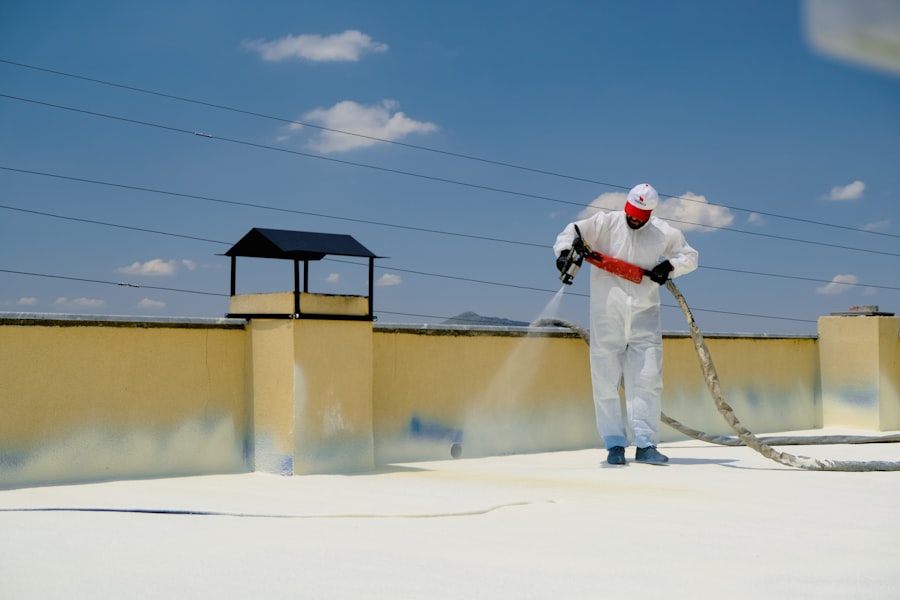
- Best For: Roofs, concrete structures subject to movement or thermal cycling, and areas where water ingress is a concern. They form a seamless, highly resilient membrane.
The Application Process: Getting it Right
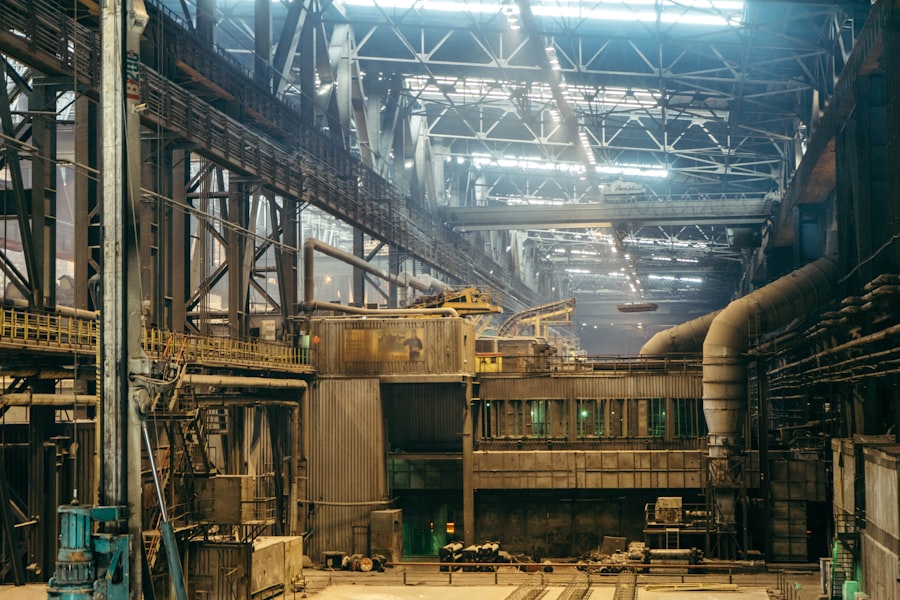
Even the best coating won’t perform if it’s not applied correctly. Surface preparation is paramount, and applying the coating requires precision.
Surface Preparation: The Foundation of Success
This step is non-negotiable. Poor surface prep is the leading cause of coating failure. The goal is to create a clean, roughened surface that promotes strong adhesion.
- Cleaning: Removing dirt, grease, oil, rust, old failing paint, and other contaminants. This can involve power washing, solvent cleaning, or chemical treatments.
- Profile Creation: Abrasive blasting (sandblasting) is often used to create a specific surface roughness, or “profile,” which provides anchor points for the coating to bond to. Different coating systems require different profiles.
- Inspection: After preparation, the surface is meticulously inspected to ensure it meets specifications before any coating is applied. This might involve looking for remaining contaminants or insufficient profile.
Application Techniques: Precision Matters
| Metrics | Value |
|---|---|
| Coating Thickness | 10-1000 microns |
| Adhesion Strength | 500-5000 psi |
| Corrosion Resistance | Up to 5000 hours |
| Surface Preparation | Blast cleaning, chemical treatment |
The method of application depends on the coating type, surface geometry, and required film thickness.
- Spraying: Airless spray and conventional spray are common for large areas and achieving uniform thickness. This is efficient for large-scale projects.
- Brushing & Rolling: Suitable for smaller areas, intricate details, or repairs. While slower, it allows for greater control in certain situations.
- Dipping: Used for parts that can be submerged into a coating bath, ensuring full coverage, especially for complex shapes.
Curing Conditions: Patience is a Virtue
Once applied, the coating needs to cure properly to achieve its intended properties. This isn’t just about drying; it’s a chemical process.
- Temperature & Humidity: These environmental factors significantly impact curing time and the final performance of the coating. Manufacturers provide specific ranges that must be adhered to.
- Time: Each coating system has a specific cure schedule. Rushing this process can lead to reduced hardness, chemical resistance, and overall longevity.
- Post-Cure (Optional): Some coatings might benefit from a post-cure at elevated temperatures to fully develop their properties, especially in high-performance applications.
Industrial coating plays a crucial role in enhancing the durability and aesthetic appeal of various surfaces. For those interested in exploring more about the benefits and applications of different coatings, a related article can provide valuable insights. You can read about the latest trends and innovations in this field by visiting this
